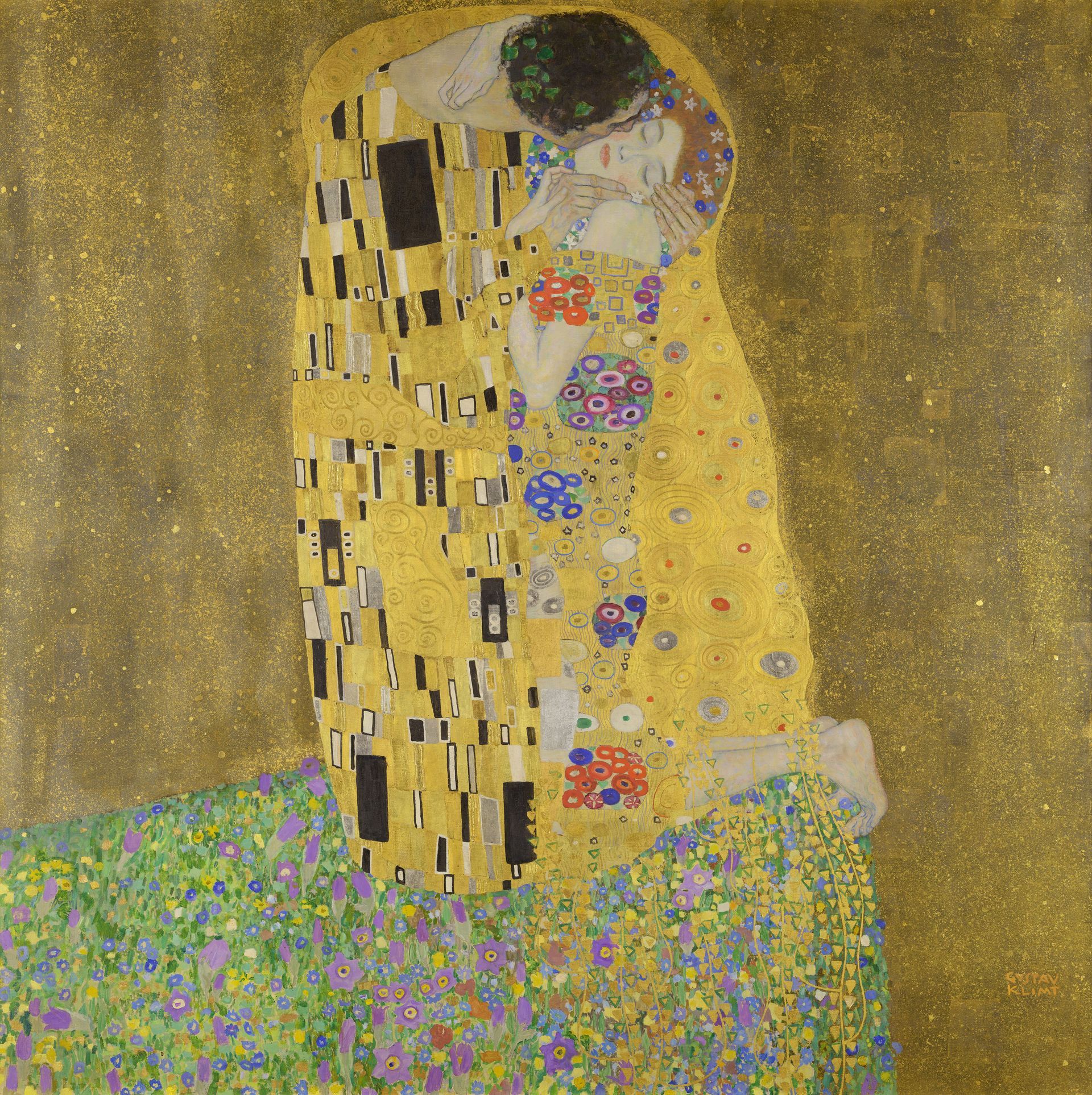
The Art of Hand Finishing – Bringing Reproductions to Life
In the world of fine art reproduction, it’s often the final touch that makes the greatest difference. While modern photography and printing can capture remarkable accuracy, it’s the hand finishing — the careful re-application of texture, detail, and character by an artist — that transforms a reproduction from a flat print into something truly alive.
At Artwork Reproductions, our hand-finishing process is where craftsmanship meets technology. It’s this stage that ensures each piece we create holds the depth, warmth, and emotion of the original painting — whether that’s a Van Gogh, a Monet, or a family masterpiece passed down through generations.
Where Artistry Meets Precision
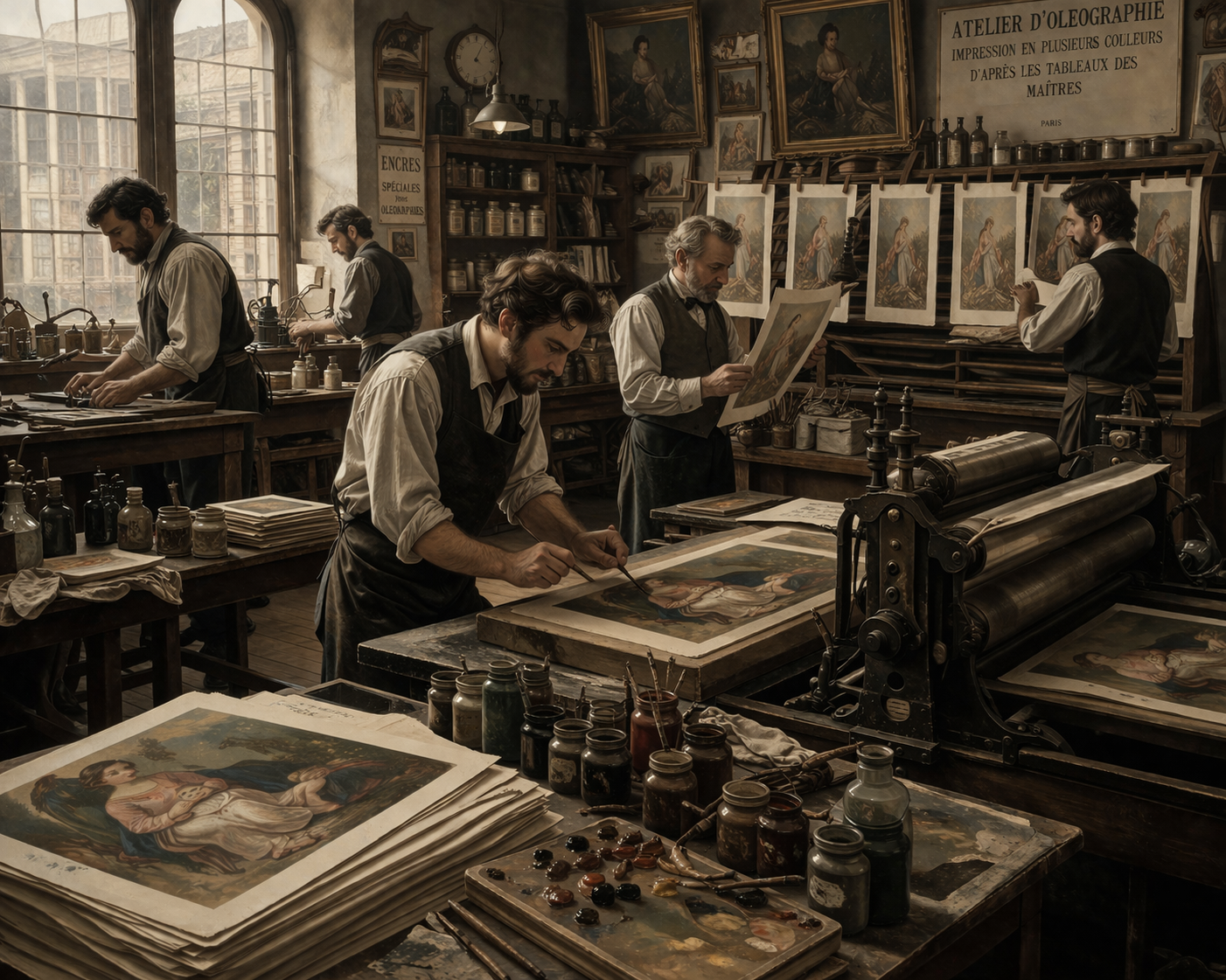
Every reproduction begins with meticulous photographic capture and fine-art printing. But once the print emerges from our specialist printers, it passes into the hands of our experienced artists.
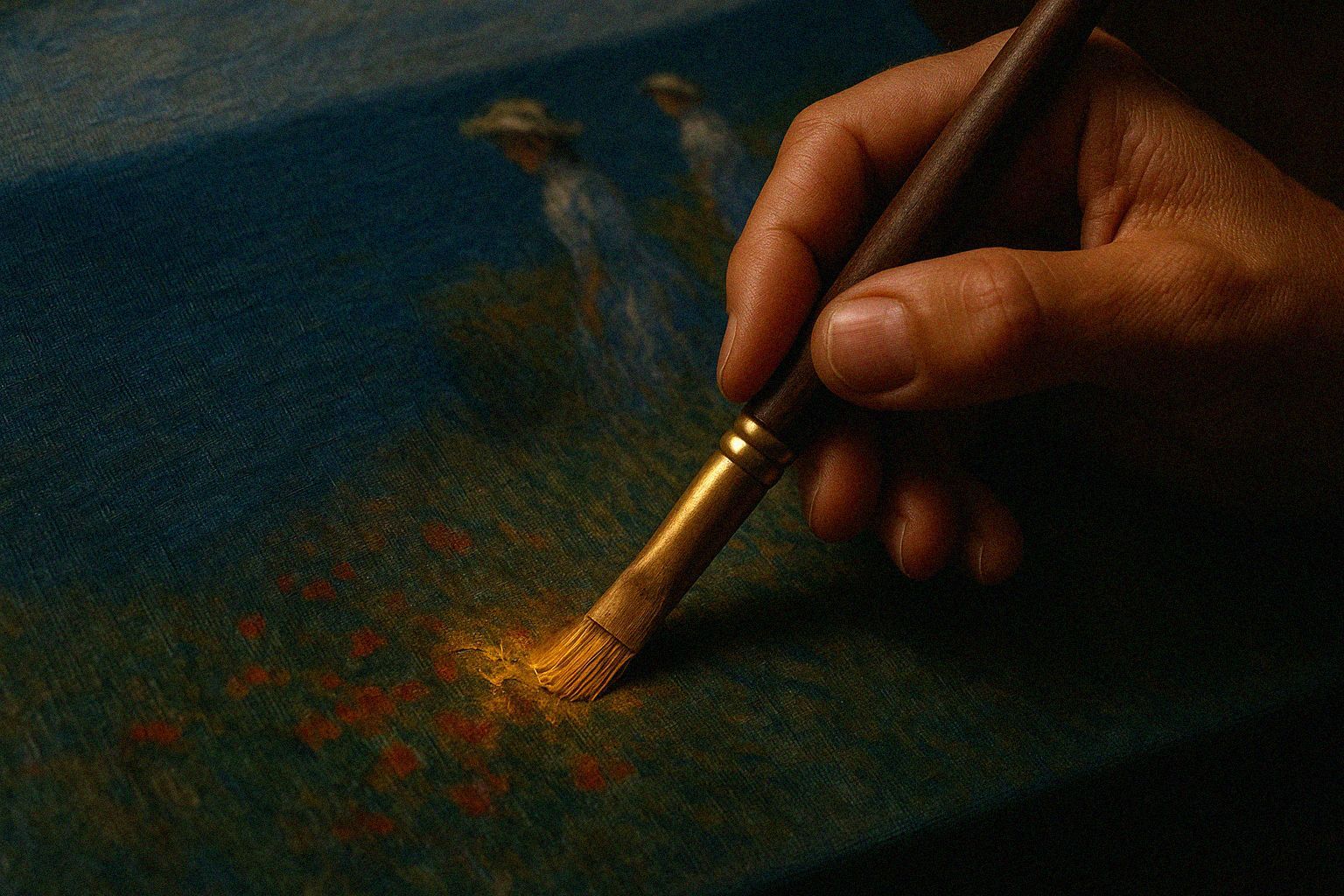
Using delicate brushes and artist-grade materials, they work across the surface to rebuild the tactile qualities of the original painting — from the gentle impasto of a Renoir portrait to the swirling energy of a Van Gogh sky. Each stroke is carefully considered to reflect how the original artist layered paint, giving the reproduction its unmistakable life and presence.
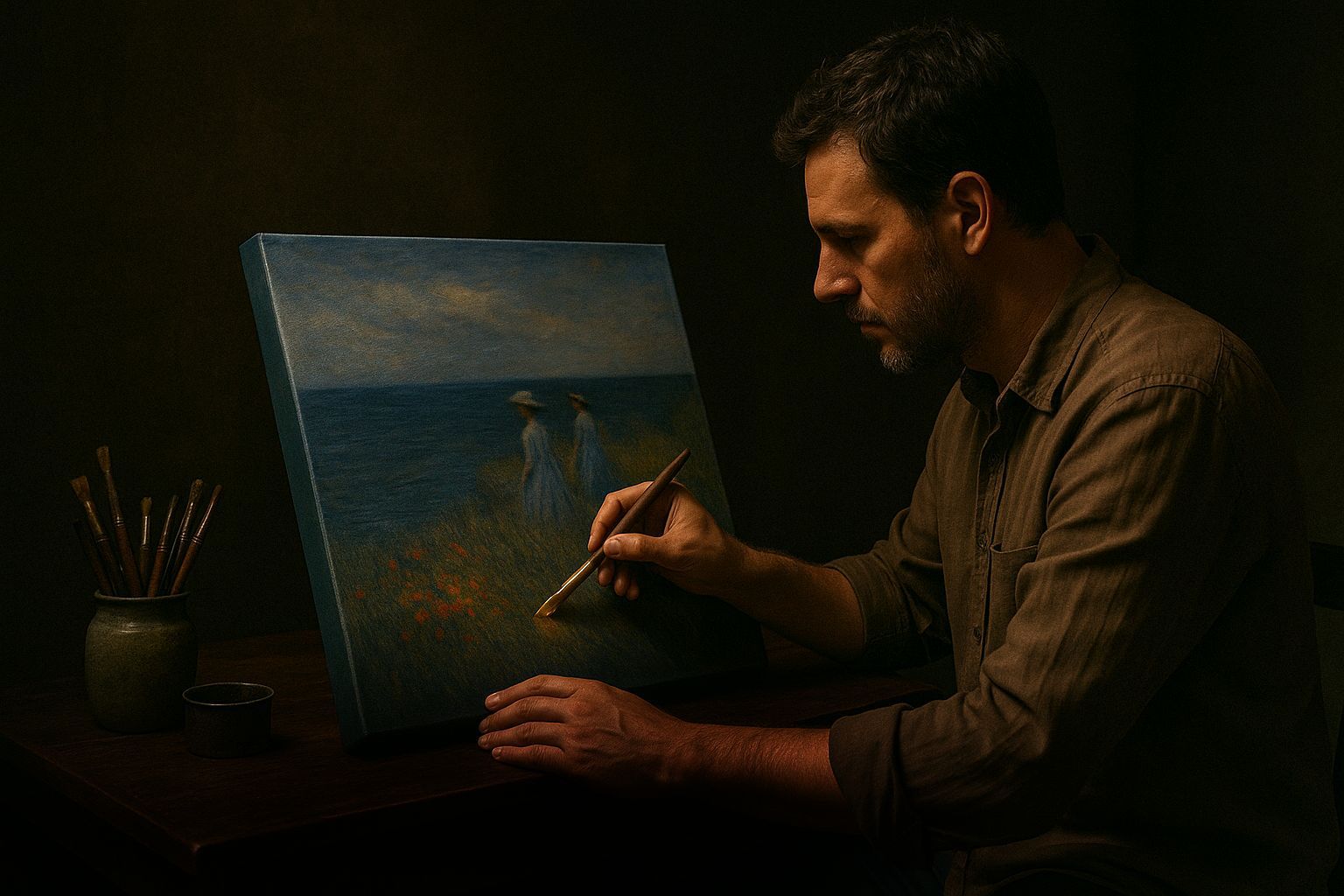
Recreating Texture and Depth
Hand finishing adds more than texture; it restores dimension and light. The subtle highlights, the way paint catches the light from different angles — these are the qualities that can never be fully achieved through printing alone.
Our artists study every brush movement, layering mediums and pigments to match the original’s surface energy. The result is a piece that not only looks like the original, but feels like it, too. Many clients say it’s almost impossible to tell the difference without very close inspection.
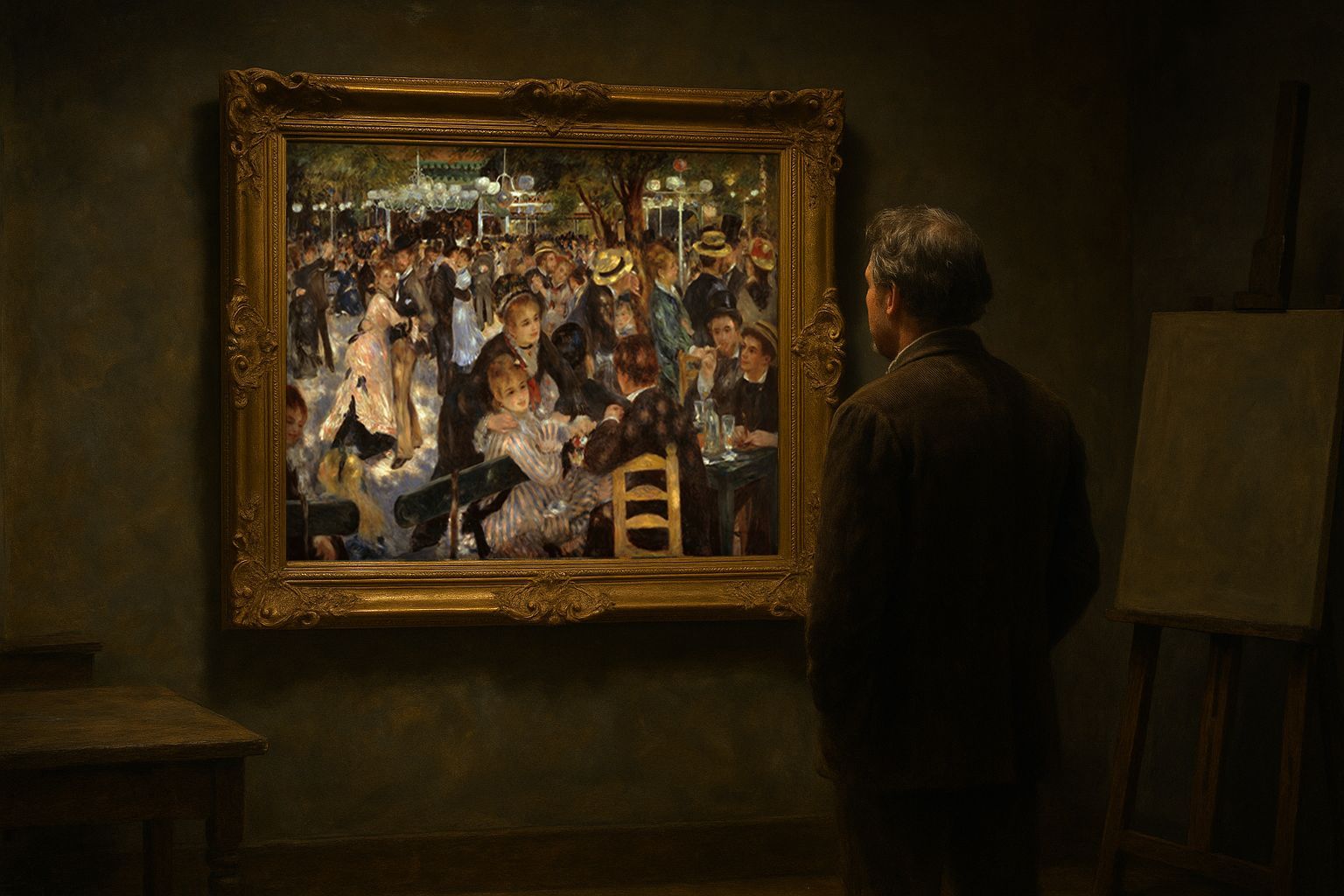
The Finishing Touch for Museum-Quality Reproductions
This process is the reason our reproductions hang proudly in homes, galleries, and private collections worldwide. Each one is a collaborative work between technology and tradition — an homage to the timeless skill of the original artist and the craftsmanship of today.
For collectors who wish to display their art without risking the original, or for families wanting to preserve and share a treasured painting, a hand-finished reproduction offers both peace of mind and beauty.
FAQs
Can you copy very large paintings?
Yes. We regularly work with large-scale artworks and have the equipment and expertise to photograph, print, and finish pieces of any size.
Do you work internationally?
Absolutely. We have clients all over the world and can arrange secure transport, photography, and delivery of your reproductions wherever you are.
Will my reproduction fade over time?
Our prints are made using archival-quality inks and papers/canvases, designed to last for decades without noticeable fading.
Is the process confidential?
Yes. We work with some of the world’s most valuable and recognisable artworks, so confidentiality and discretion are at the core of what we do.
So, Where Can You Get Your Painting Copied?
If you’re looking for professional, confidential, and museum-quality reproductions, we’d be delighted to help. Whether your painting is a family treasure or a world-renowned masterpiece, our team treats every project with the same level of expertise and respect.
👉 Contact us today to discuss your artwork reproduction and request a sample.
Capturing the Essence: The Art of Museum Quality Artwork Reproductions