How Fine Art Reproduction Enhances Estate Planning and Insurance
For collectors, advisors, and custodians of exceptional artworks, the focus is often placed on acquisition, curation, and preservation. Yet, among the most important considerations for any serious collection are fine art insurance and art estate planning—areas where precision, discretion, and documentation are paramount.
Museum-quality artwork reproduction is not merely an aesthetic exercise. It is an essential, strategic tool that safeguards the value, legacy, and insurability of a collection.
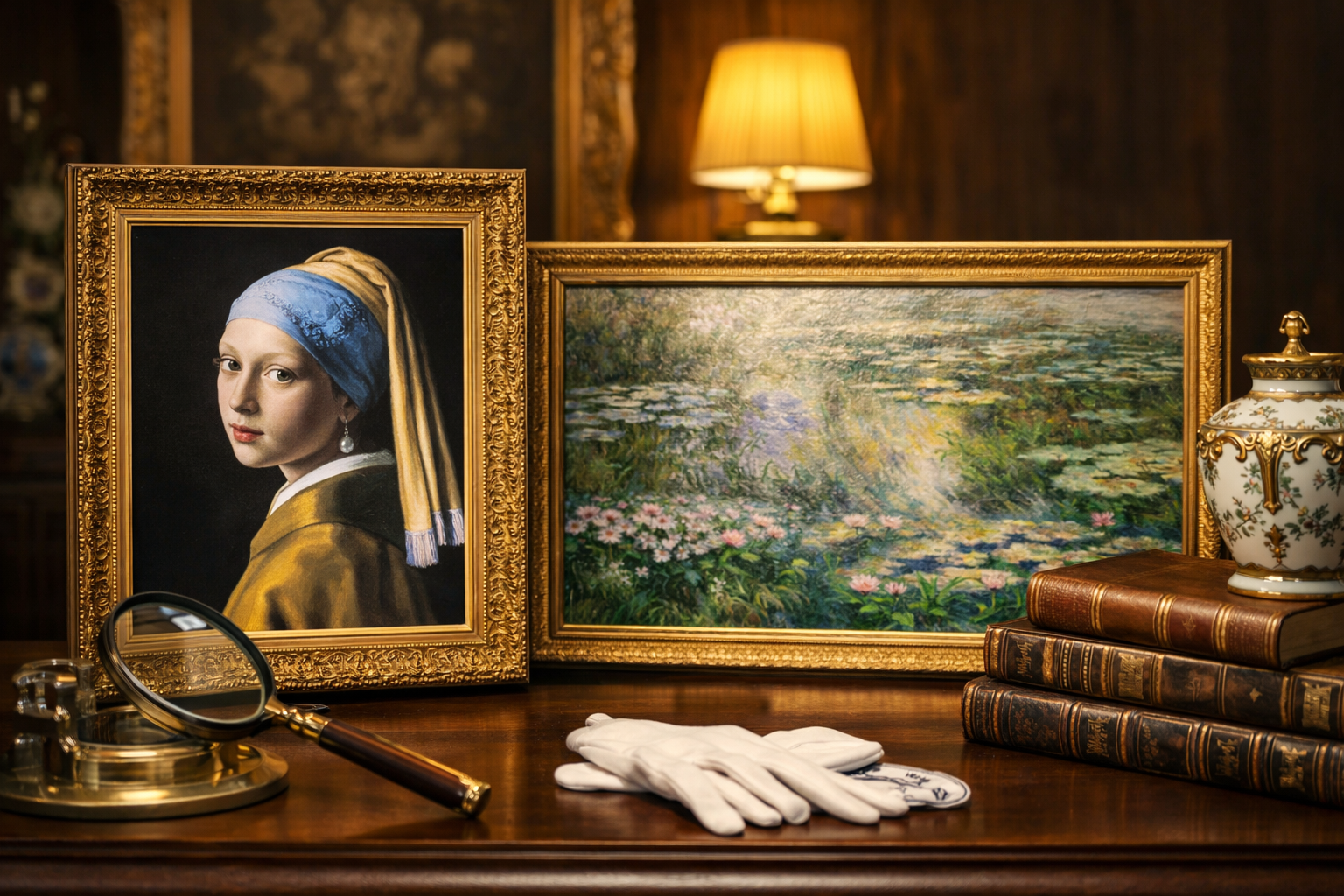
A Definitive Visual Archive for Art Estate Planning
In the world of art estate planning, clarity and accuracy are everything. Trustees, executors, insurers, and family members must have a precise understanding of what constitutes a collection.
High-resolution, colour-accurate artwork reproduction creates a definitive visual archive, providing:
- Consistent and museum-grade documentation of each piece
- A trusted reference for legal, financial, and insurance professionals
- Protection against disputes relating to condition, attribution, or ownership
Unlike informal photography, professional fine art reproduction captures the true tonality, texture, and detail of a work—ensuring that your archive reflects the origina.
Supporting Fine Art Insurance and Accurate Valuation
Fine art insurance providers and accredited valuers rely heavily on high-quality visual documentation when underwriting or reassessing collections.
By investing in professional artwork reproduction, collectors benefit from:
- Clear, insurer-ready imagery for underwriting fine art insurance policies
- Efficient and accurate remote valuations
- A consistent benchmark for ongoing reappraisal and collection management
This level of documentation not only strengthens insurance coverage but can also streamline claims processes and reduce administrative friction.
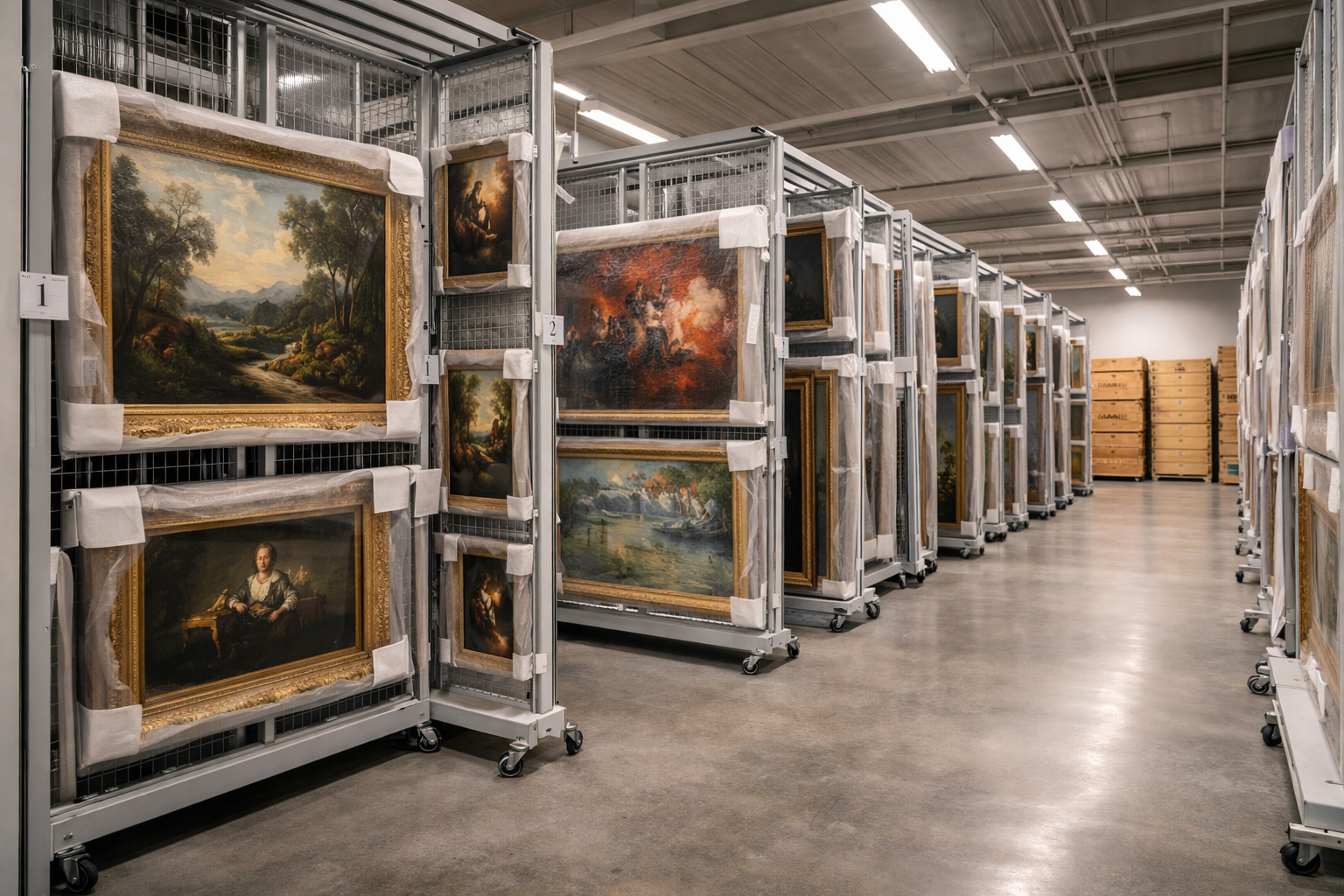
Protection in the Event of Loss, Damage, or Theft
In the unfortunate event of damage, loss, or theft, detailed visual records become invaluable.
Museum-grade reproductions can:
- Substantiate fine art insurance claims with precision
- Assist recovery efforts by providing accurate visual references
- Support conservation and restoration specialists with pre-loss condition records
-
For rare and high-value works, this documentation can be the difference between uncertainty and clarity at a critical moment.
A Refined Approach to Estate Distribution
Art collections often carry profound financial and emotional significance, making equitable distribution a complex process.
Through exceptional artwork reproduction, families and collectors can:
- Provide heirs with museum-quality replicas of important works
- Preserve the visual and emotional legacy of a collection
- Reduce potential conflict where original works cannot be divided
This refined approach to art estate planning allows for both discretion and fairness—particularly within collections of cultural or sentimental importance.
Discreet Documentation for High-Value Collections
For high-net-worth collectors and institutions, discretion is essential.
Professional artwork reproduction can be carried out with complete confidentiality, enabling:
- Private documentation for fine art insurance and estate planning
- Seamless collaboration with legal, financial, and advisory teams
- Accurate records across multiple residences or storage locations
This ensures that every stakeholder has access to the information they require, without compromising privacy.
Future-Proofing Your Collection
A significant collection is not static—it evolves. As such, documentation must evolve alongside it.
Regularly updating artwork reproductions supports:
- Ongoing fine art insurance reviews
- Accurate and current art estate planning
- Long-term collection stewardship
By maintaining an up-to-date visual archive, collect
ors ensure that both the financial and cultural value of their works are preserved for generations.
Frequently Asked Questions
1. What is museum-quality art reproduction?
Museum-quality art reproduction refers to the creation of a high-fidelity facsimile using archival capture methods, pigment-based printing systems, and carefully selected substrates that reflect the character of the original work.
Unlike decorative prints, a museum-grade reproduction is produced with conservation awareness and visual accuracy as primary considerations.
2. Why would a private collector commission a fine art facsimile?
Collectors typically commission museum-grade reproductions to reduce risk while preserving visual presence.
Common reasons include:
- Limiting light exposure of sensitive works
- Reducing transit between multiple residences
- Managing insurance considerations
- Supporting estate planning or legacy continuity
In most cases, reproduction forms part of responsible collection stewardship rather than replacemen
3. How accurate is a museum-grade art reproduction?
When produced using high-resolution capture and archival pigment systems, a fine art facsimile can achieve exceptional colour fidelity and surface detail.
The objective is visual continuity — ensuring the reproduction reflects the tonal balance, texture, and scale of the original as faithfully as possible.
👉 Contact us today to discuss your artwork reproduction and request a sample.
Capturing the Essence: The Art of Museum Quality Artwork Reproductions