Why the World’s Most Discerning Collectors Choose Museum-Quality Art Reproductions
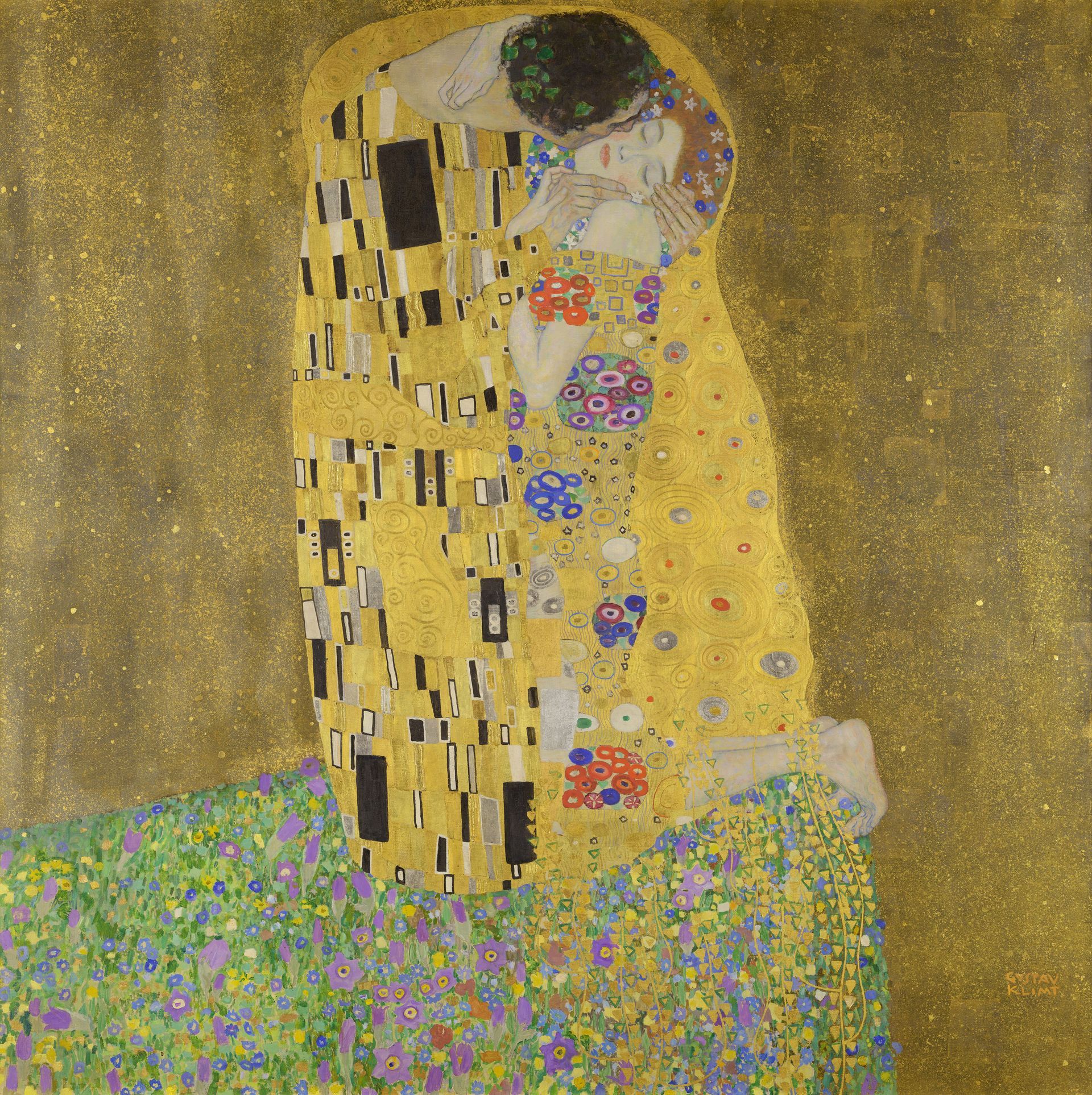
For centuries, the most important works of art have been protected as carefully as they have been admired. Paintings of significant cultural or financial value are often light-sensitive, structurally delicate, or simply too important to be exposed to unnecessary risk. Yet collectors, institutions, and estates continue to live with, study, and present these works within their environments.
It is within this balance — between preservation and presence — that museum-quality art reproduction finds its purpose.
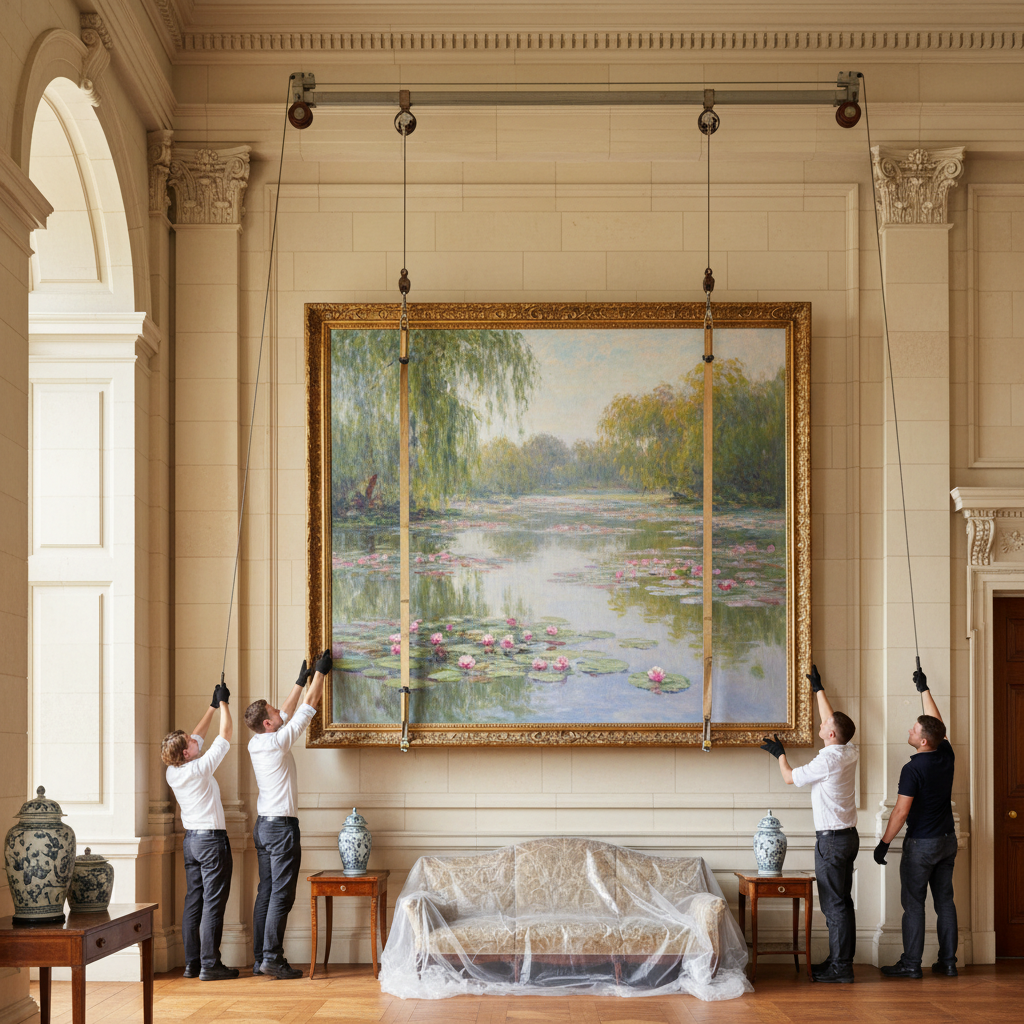
Preservation Without Compromise
High-value artworks are vulnerable to:
- UV exposure
- Humidity and temperature fluctuation
- Handling and transit risk
- Environmental instability
Even within well-managed private residences, long-term exposure can accelerate deterioration.
A museum-quality art reproduction allows the original to be preserved under controlled conditions, while an archival facsimile maintains its visual presence. For many collectors, this is not duplication — it is prudent stewardship.
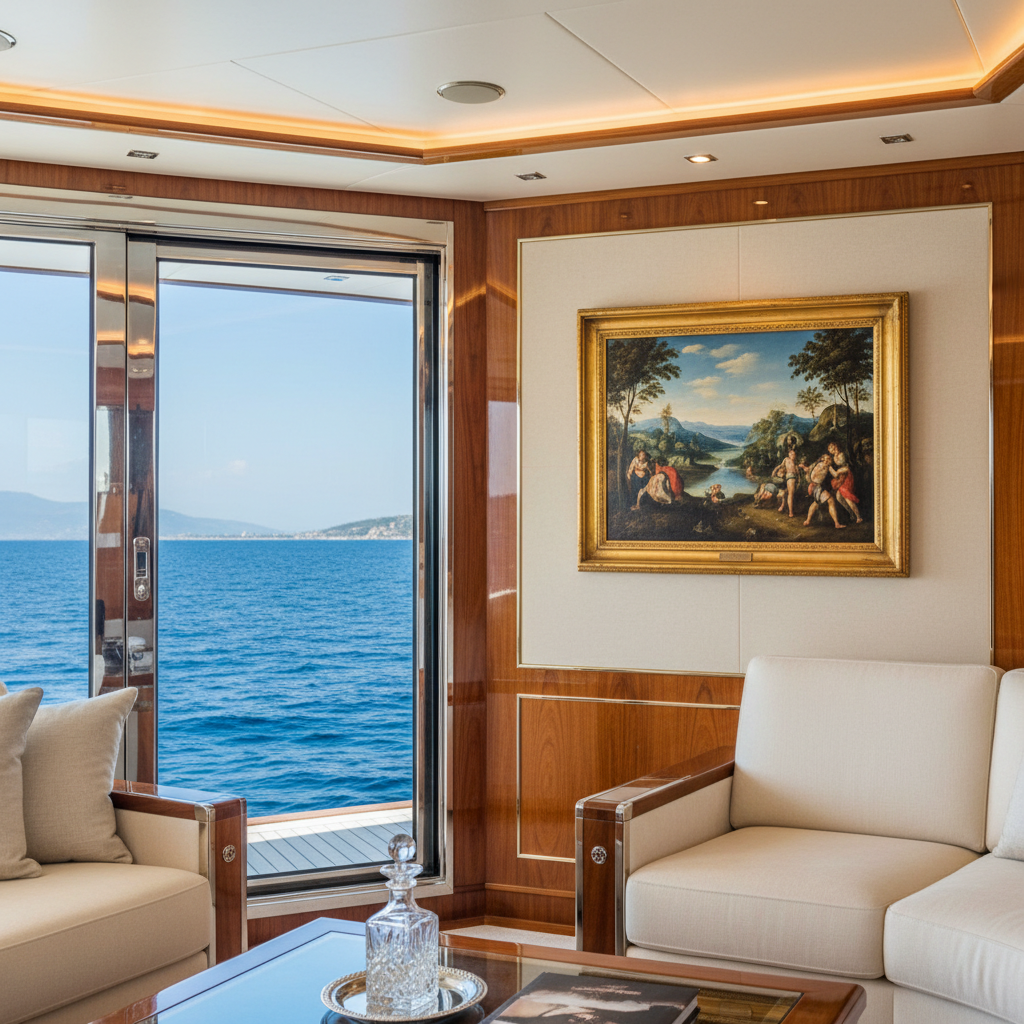
Managing Insurance and Risk
As valuations rise, so does responsibility.
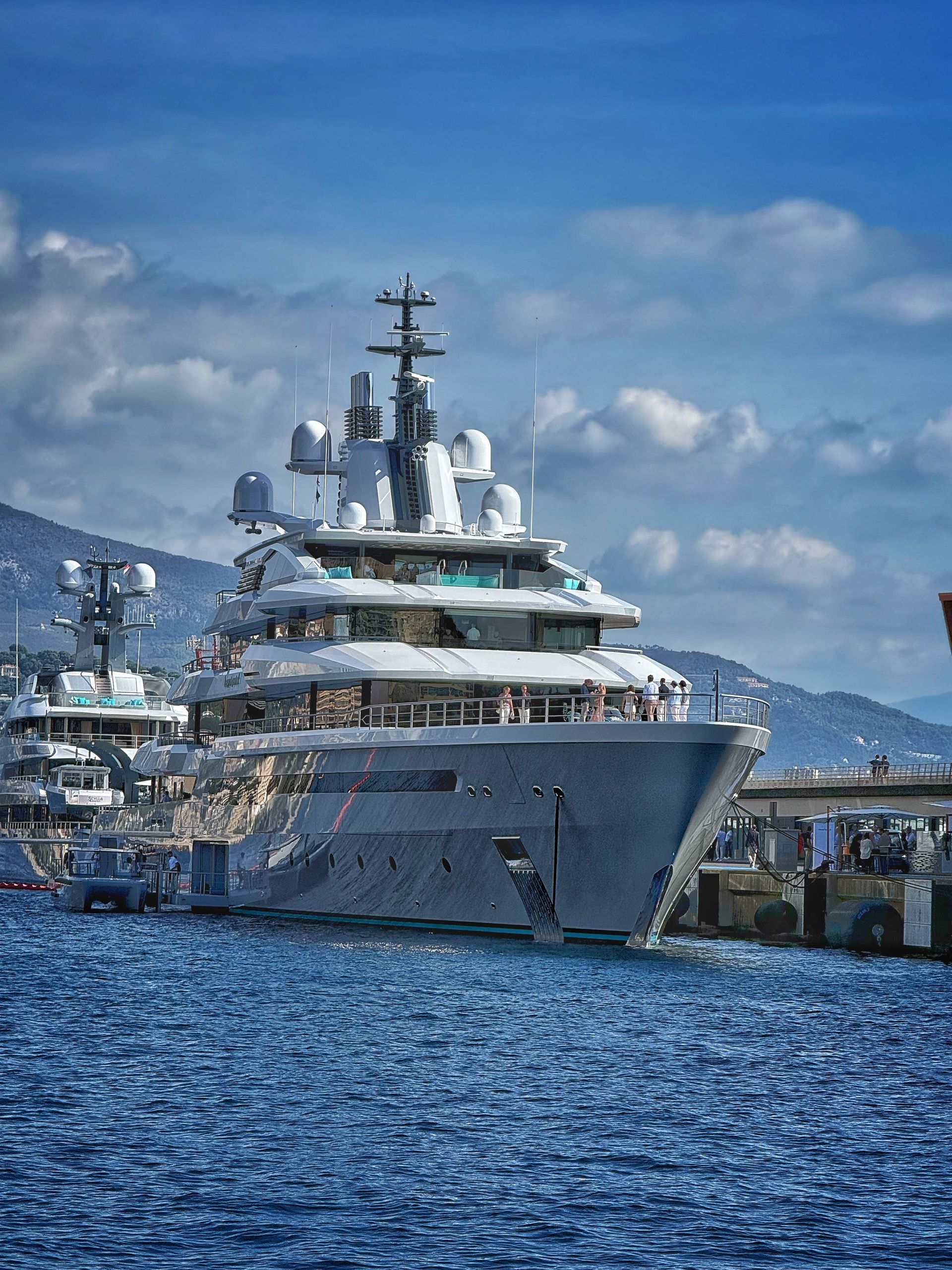
Displaying a significant work in multiple residences, high-traffic interiors, or properties abroad can introduce insurance and security considerations. Repeated transportation between homes further increases exposure.
Fine art facsimile reproduction provides:
- Reduced transit risk
- Fewer insurance complications
- Greater flexibility in display
- Controlled preservation of the original
For estates and private collectors, this approach offers discretion and control.
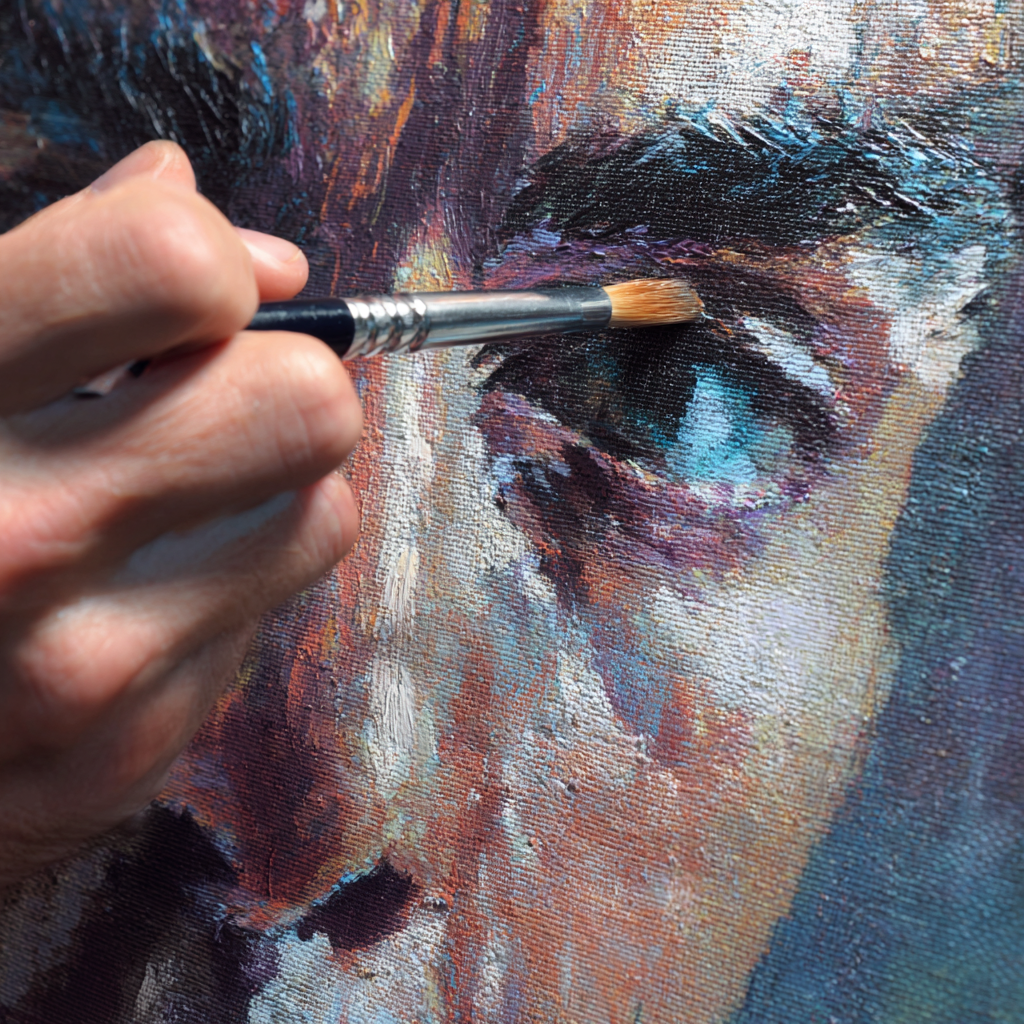
Multiple Residences and Estate Planning
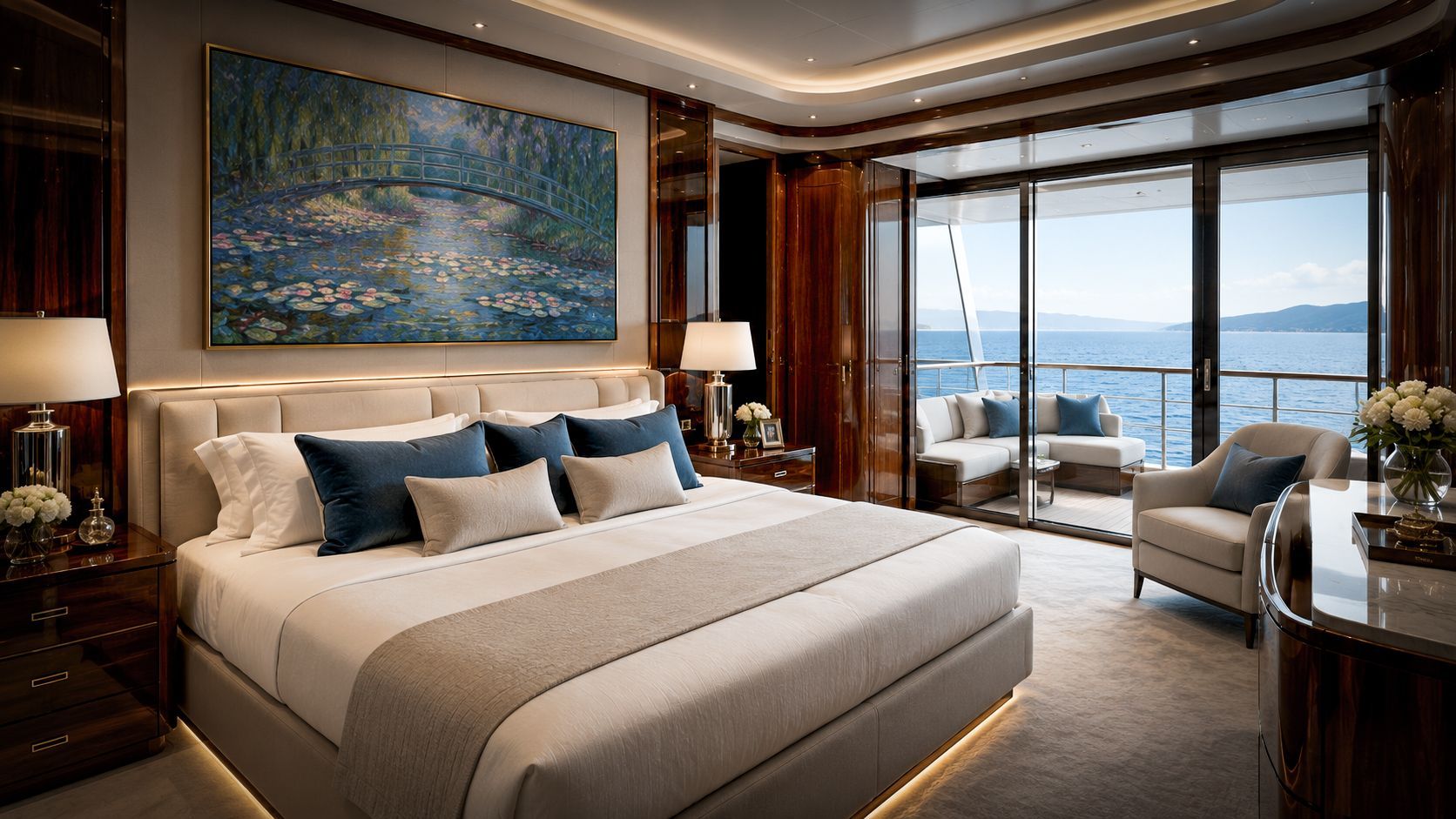
Collectors with homes in London, Europe, or internationally often seek continuity across properties. Relocating original works between residences can be complex and unnecessary.
Museum-grade reproduction enables:
- Identical presentation in multiple locations
- Structured estate planning support
- Preservation of visual legacy across generations
In certain cases, facsimile works form part of long-term collection management — particularly where a single piece carries both financial and sentimental weight.
What Defines Museum-Quality Art Reproduction?
Not all reproduction meets conservation standards.
True museum-grade artwork reproduction involves:
- High-resolution capture
- Archival pigment processes
- Substrate selection aligned with the original medium
- Careful hand-finishing to retain surface character
When executed correctly, the result is a faithful visual counterpart — created not for commercial replication, but for preservation and continuity.
Frequently Asked Questions
1. What is museum-quality art reproduction?
Museum-quality art reproduction refers to the creation of a high-fidelity facsimile using archival capture methods, pigment-based printing systems, and carefully selected substrates that reflect the character of the original work.
Unlike decorative prints, a museum-grade reproduction is produced with conservation awareness and visual accuracy as primary considerations.
2. Why would a private collector commission a fine art facsimile?
Collectors typically commission museum-grade reproductions to reduce risk while preserving visual presence.
Common reasons include:
- Limiting light exposure of sensitive works
- Reducing transit between multiple residences
- Managing insurance considerations
- Supporting estate planning or legacy continuity
In most cases, reproduction forms part of responsible collection stewardship rather than replacemen
3. How accurate is a museum-grade art reproduction?
When produced using high-resolution capture and archival pigment systems, a fine art facsimile can achieve exceptional colour fidelity and surface detail.
The objective is visual continuity — ensuring the reproduction reflects the tonal balance, texture, and scale of the original as faithfully as possible.
👉 Contact us today to discuss your artwork reproduction and request a sample.
Capturing the Essence: The Art of Museum Quality Artwork Reproductions