Why the World’s Most Discerning Collectors Choose Museum-Quality Art Reproductions
For centuries, the most important works of art have been protected rather than constantly displayed. Paintings of significant cultural or financial value are often light-sensitive, fragile, or simply too important to be exposed to the risks of everyday handling. Yet collectors, institutions, and estates still want to live with these works, study them, and share them without compromise. This is where museum-quality artwork reproduction plays an essential role.
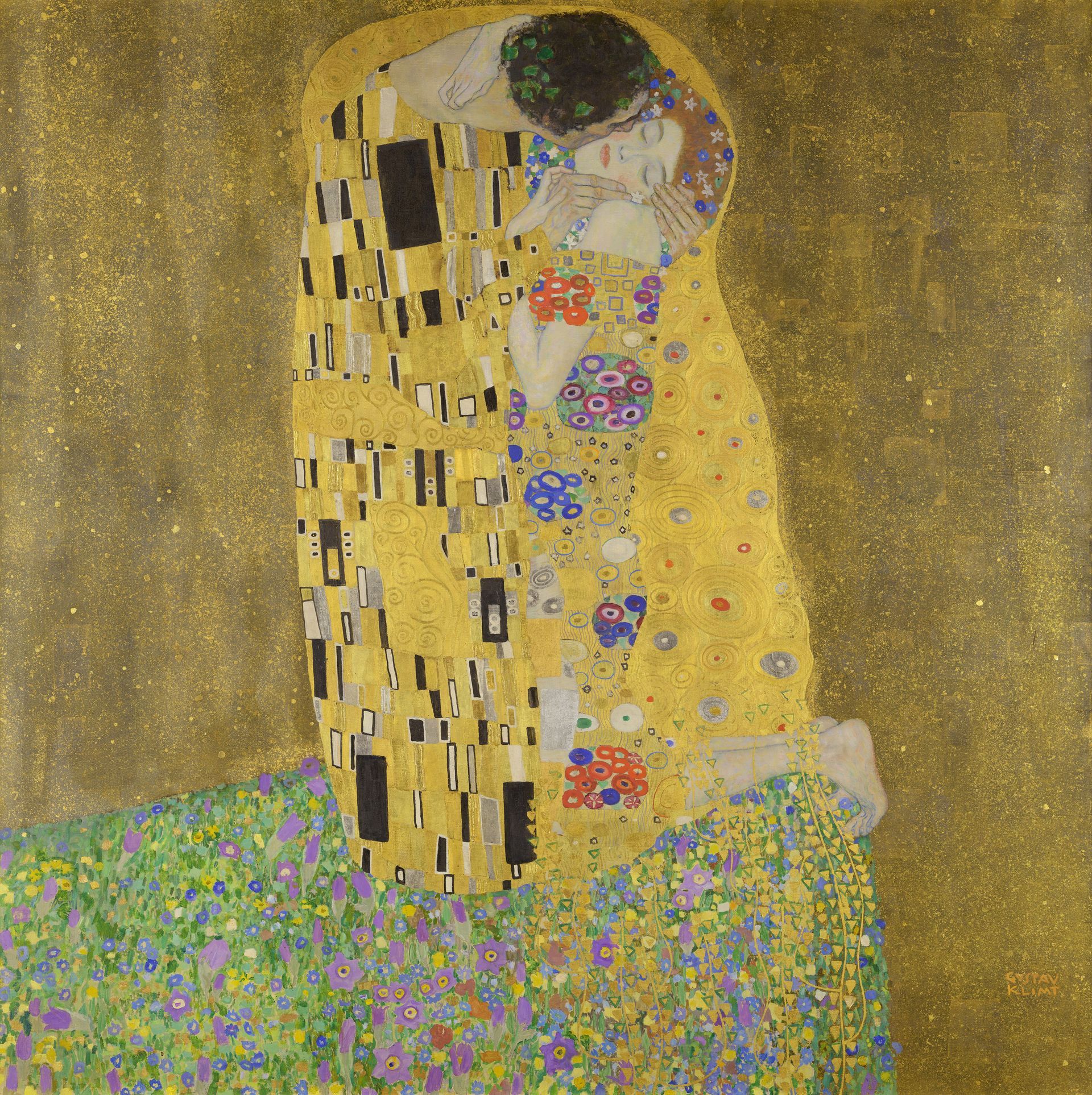
At its highest level, fine art reproduction is not about imitation. It is about preservation, interpretation, and craft. A true museum-quality reproduction begins with an understanding of the original artwork itself — its materials, its surface, and the way it behaves under light. Unlike decorative prints or mass-produced giclées, professional reproductions are created to withstand close inspection and to sit comfortably within serious collections, institutions, and private interiors.
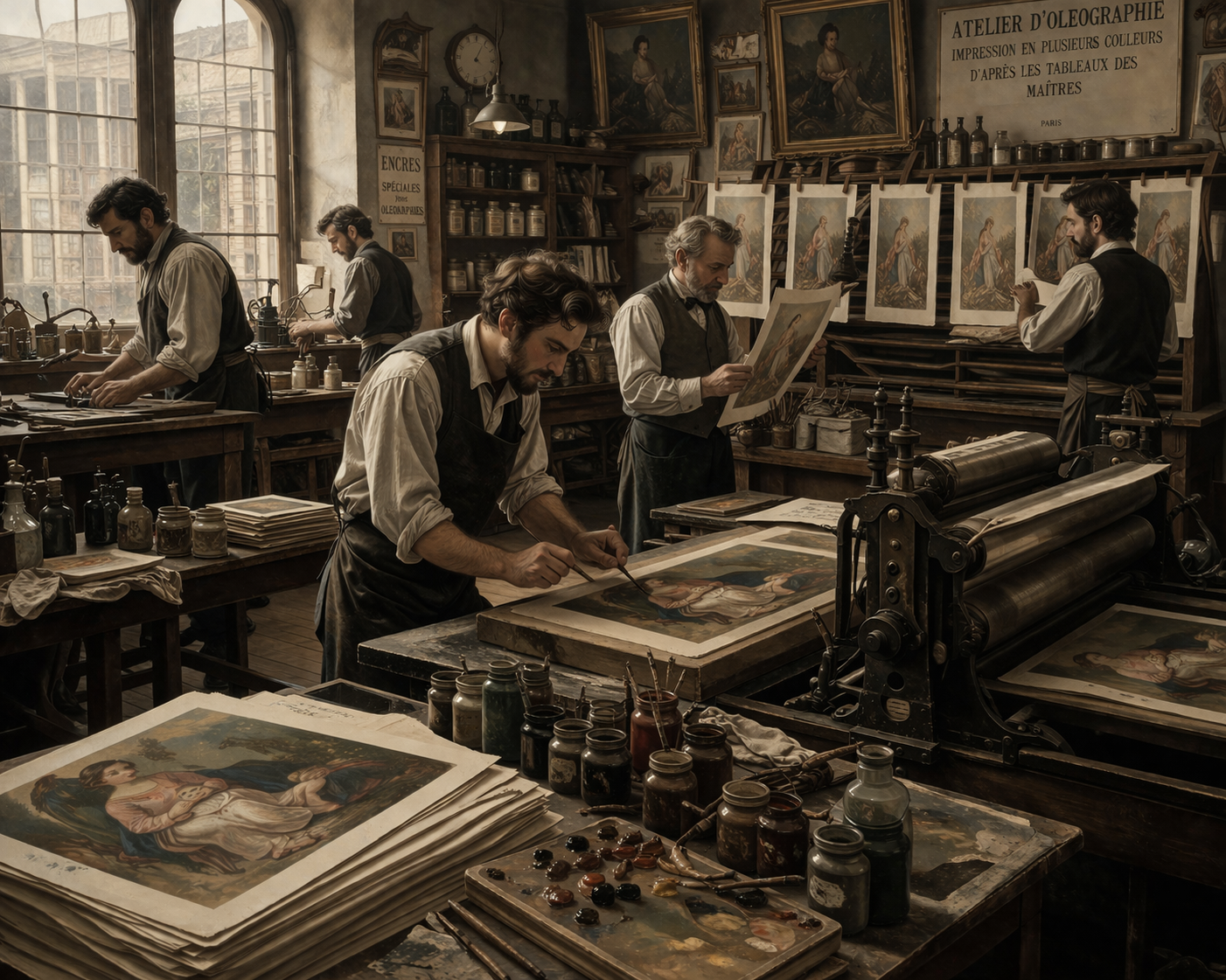
A museum-quality reproduction is defined not by marketing language but by process. Ultra-high-resolution photographic capture is carried out using non-contact, conservation-safe lighting systems that eliminate glare and surface distortion. Colour-managed workflows ensure that every stage — from capture through to print — is calibrated against the original artwork. Archival substrates and inks are selected for longevity, and where required, reproductions are hand-finished to recreate surface texture, tonal depth, and subtle imperfections that give an artwork its presence. This level of fidelity is why such reproductions are trusted by private collectors, artists’ estates, and institutions alike.
https://www.artworkreproductions.co.uk/artwork-reproductions
Many people assume that art reproductions are commissioned only when originals are unavailable. In reality, a significant proportion of high-end reproduction work comes directly from owners of the originals themselves. Collectors frequently commission reproductions to reduce light exposure, to allow works to be displayed in multiple locations, or to avoid the risks associated with transportation. Institutions often rely on reproductions for touring exhibitions, education spaces, and interpretive displays, while artists’ estates use them for archival records, publications, and controlled public presentation. Major organisations such as the Tate, the British Museum, and the Metropolitan Museum of Art have long recognised the role of high-quality reproduction within responsible collection management.
Artwork Photography
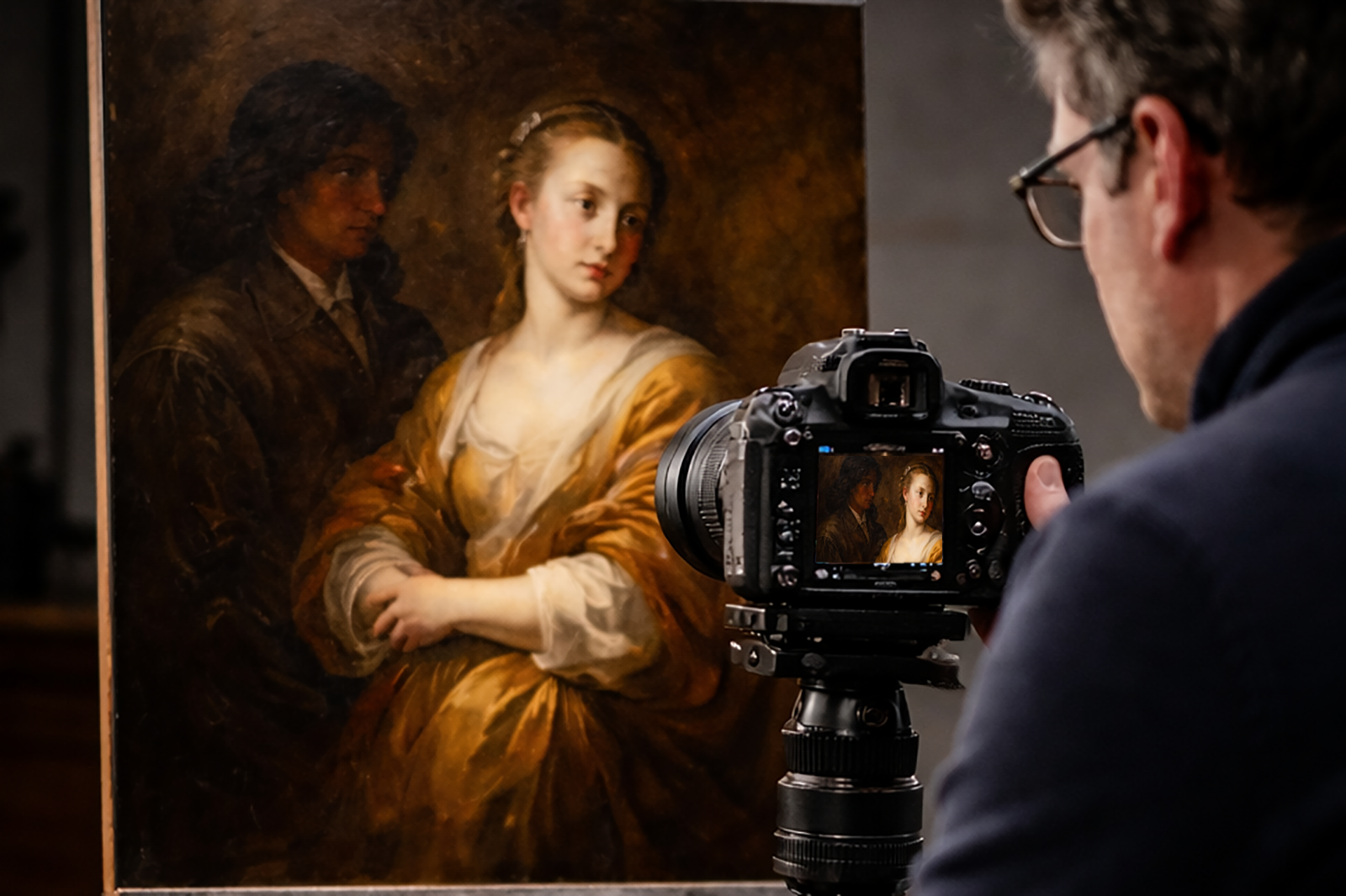
Central to every successful reproduction is photography. This stage is both technically demanding and quietly critical. Professional art photography is designed to be entirely non-invasive, with artworks remaining in stable environments throughout the process. Advanced lighting techniques, including polarisation, are used to accurately record colour and surface detail without introducing reflections from varnish or textured paint. Medium- and large-format digital systems allow extraordinary resolution, but resolution alone is never the goal. The aim is fidelity — capturing how the artwork truly appears to the human eye.
While resolution is important, colour accuracy is what ultimately determines whether a reproduction feels convincing. Even minor colour shifts can alter the emotional weight of an artwork. Professional reproduction studios work within fully colour-managed environments, producing test proofs that are compared directly against the original under controlled lighting conditions. This process ensures that subtle tonal relationships, ageing pigments, and surface nuances are preserved rather than flattened or exaggerated. Achieving this level of accuracy is not automated; it is the result of experience, judgement, and careful refinement.
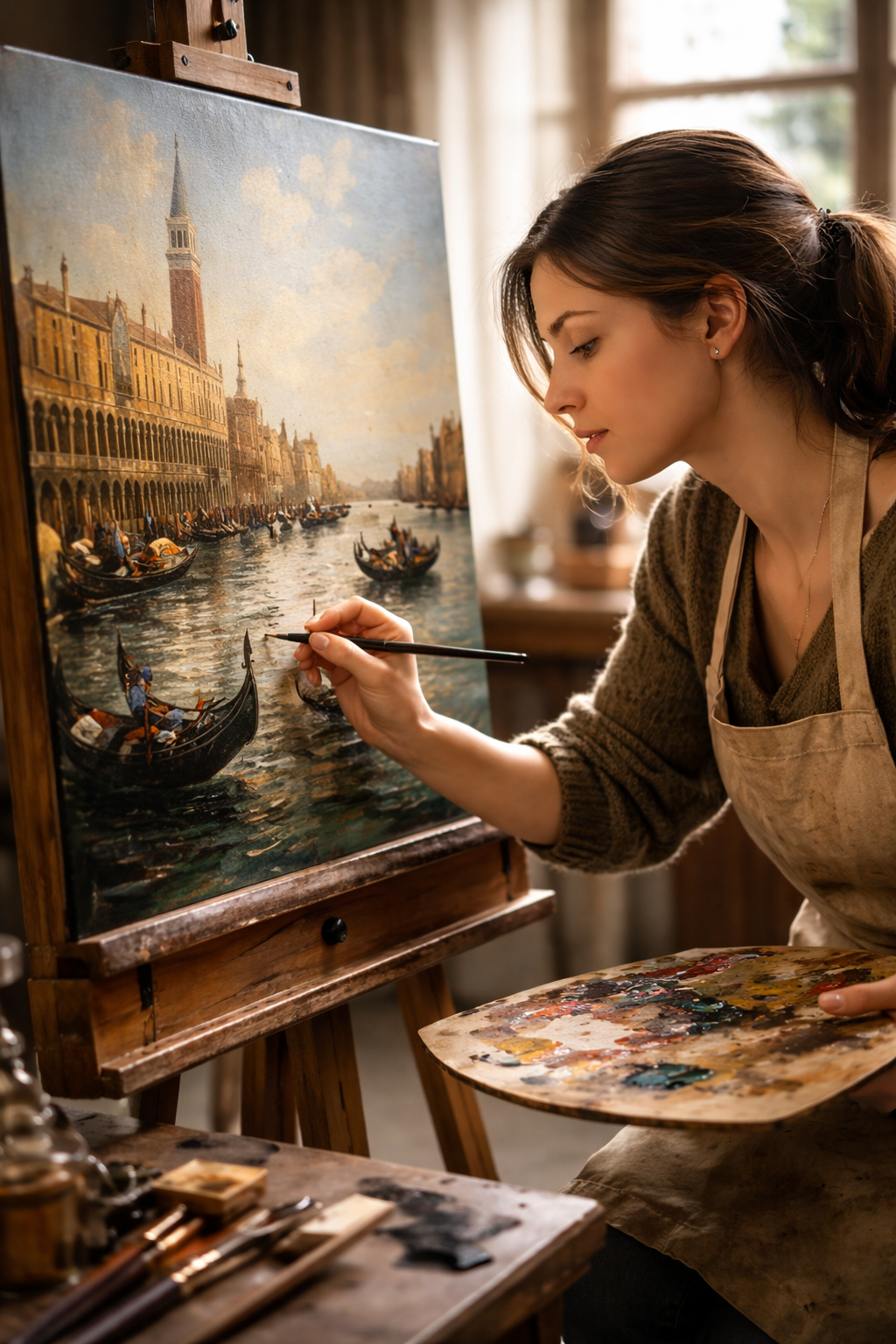
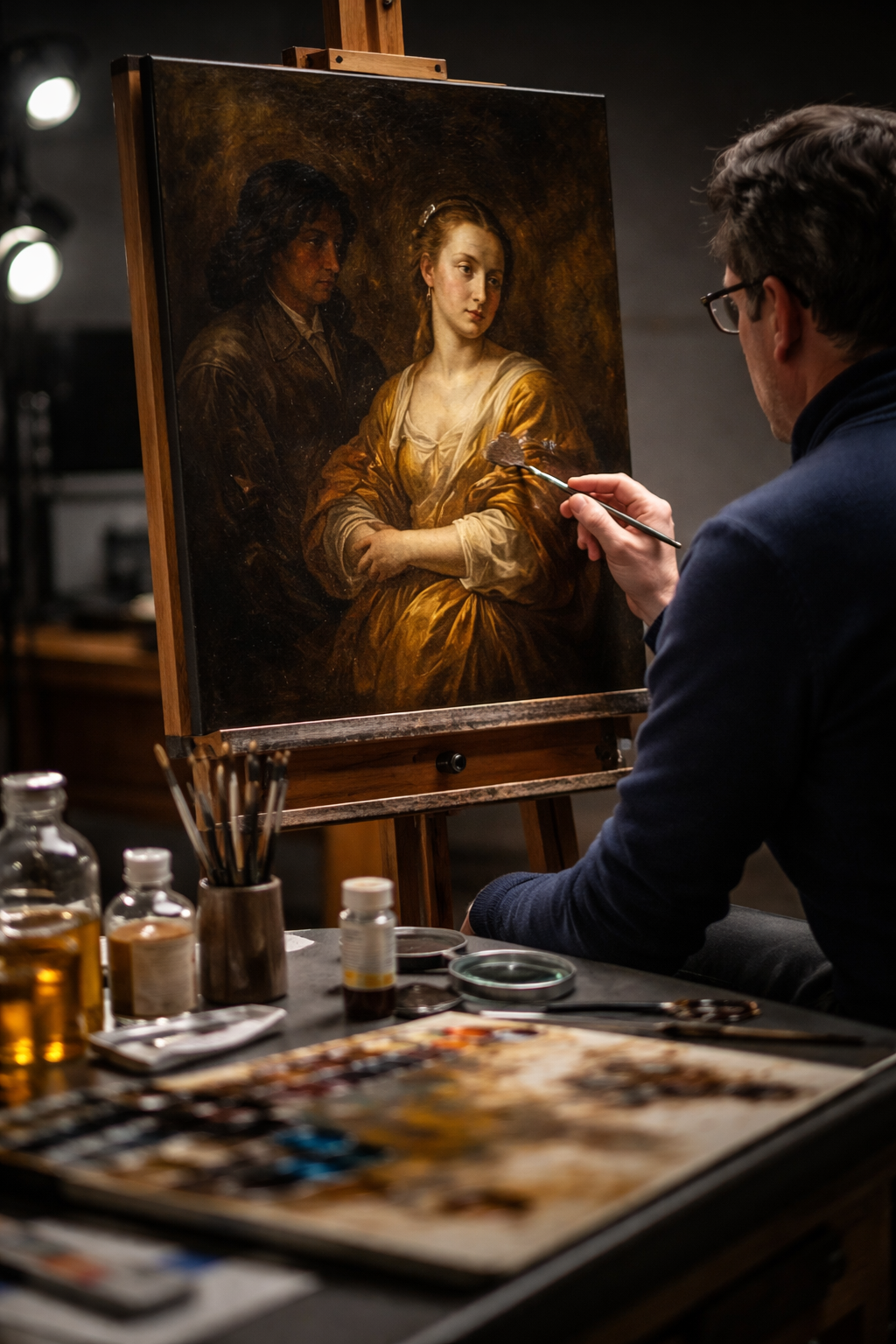
In many cases, reproductions are further enhanced through skilled hand-finishing. This may involve building surface texture to echo impasto, selectively adjusting sheen, or reintroducing depth that cannot be fully conveyed through print alone. The intention is never to deceive, but to allow the reproduction to behave visually like the original when viewed in natural light and from normal viewing distances. This is why collectors seeking serious reproductions avoid mass production in favour of specialist studios with decades of experience.
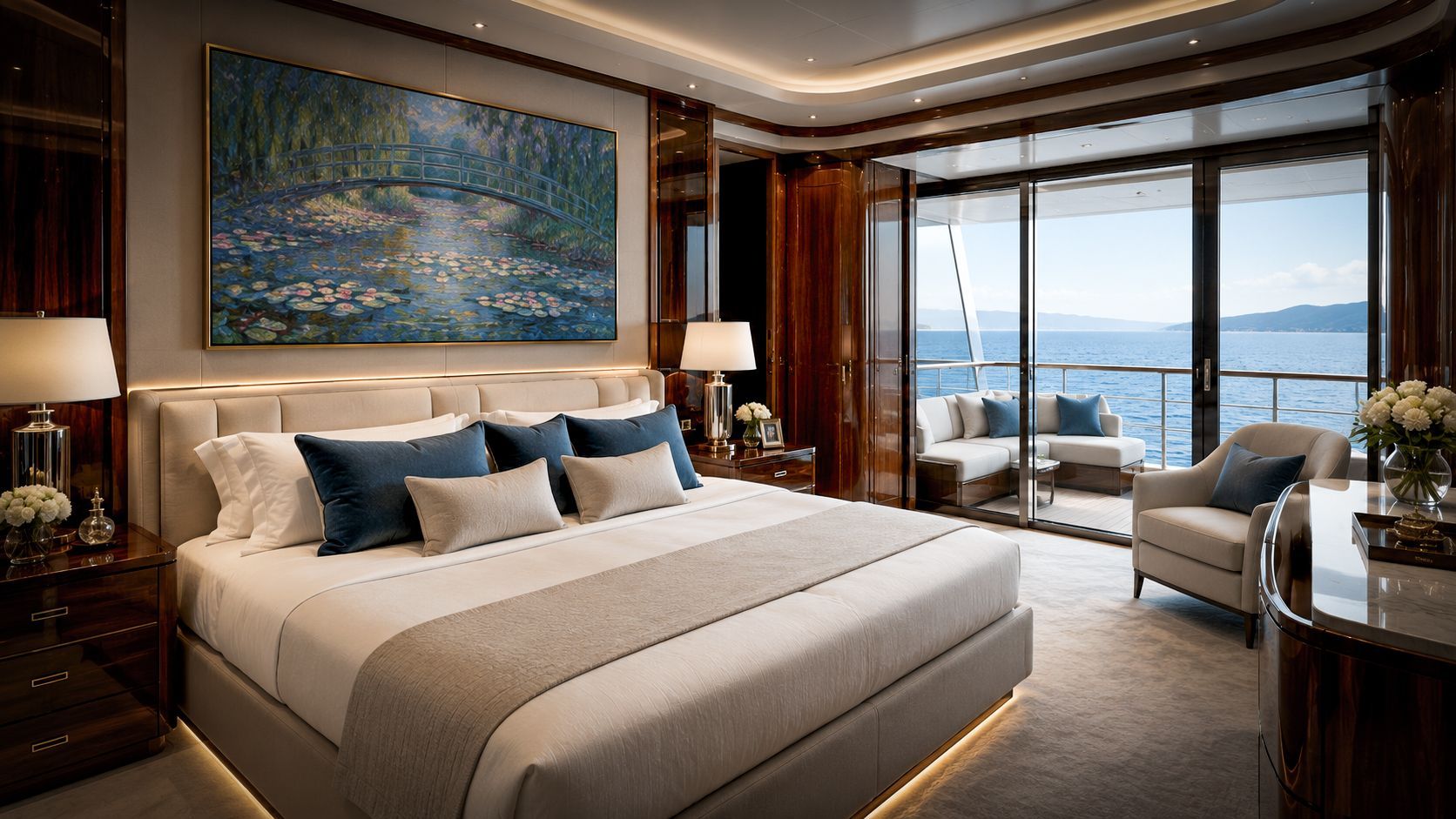
Within private collections today, reproductions are increasingly integrated alongside originals rather than used as substitutes. Many collectors choose to display reproductions in high-traffic environments while keeping originals protected, or to install them in secondary residences, yachts, or corporate settings. Museums and lenders often use reproductions to maintain public access while originals remain insured and stored. In these contexts, a museum-quality reproduction becomes an extension of ownership — a practical, responsible way to live with art while preserving what matters most.
Choosing the right reproduction studio is therefore a matter of trust. Experience working with museums, auction houses, and established collections is critical, as is an understanding of conservation standards and discretion. Studios accustomed to collaborating with conservators, advisors, and collection managers understand that reproduction at this level is not a commodity service but a long-term partnership.
Ultimately, fine art reproduction is about safeguarding cultural and personal value without limiting access. When undertaken with care and expertise, reproduction does not diminish the original work — it protects it. For collectors, institutions, and estates, museum-quality reproductions offer a way to ensure that art can continue to be experienced, studied, and appreciated while the originals are preserved for the future.
FAQs
Can you copy very large paintings?
Yes. We regularly work with large-scale artworks and have the equipment and expertise to photograph, print, and finish pieces of any size.
Do you work internationally?
Absolutely. We have clients all over the world and can arrange secure transport, photography, and delivery of your reproductions wherever you are.
Will my reproduction fade over time?
Our prints are made using archival-quality inks and papers/canvases, designed to last for decades without noticeable fading.
Is the process confidential?
Yes. We work with some of the world’s most valuable and recognisable artworks, so confidentiality and discretion are at the core of what we do.
So, Where Can You Get Your Painting Copied?
If you’re looking for professional, confidential, and museum-quality reproductions, we’d be delighted to help. Whether your painting is a family treasure or a world-renowned masterpiece, our team treats every project with the same level of expertise and respect.
👉 Contact us today to discuss your artwork reproduction and request a sample.
Capturing the Essence: The Art of Museum Quality Artwork Reproductions