Oleographs and Facsimile Reproductions: From Historic Craft to Modern Mastery
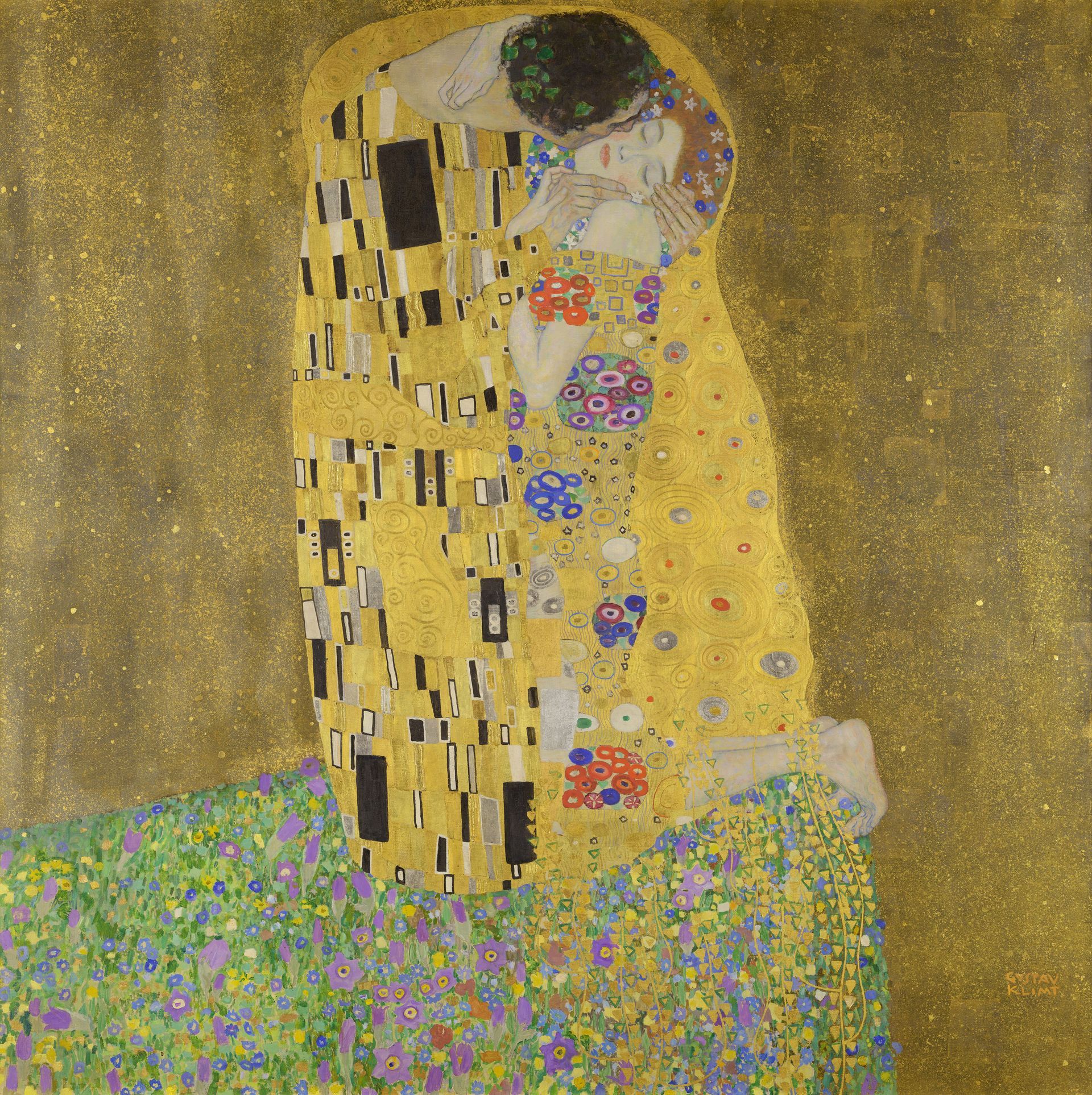
For centuries, great works of art were reserved for the privileged few—those who could afford original paintings or had access to elite collections. The evolution of reproduction techniques changed this, allowing exceptional imagery to reach a far wider audience. From the richly layered oleographs of the 19th century to today’s museum-grade facsimiles, reproduction has become both a technical discipline and an art form in its own right.
What is an Oleograph?
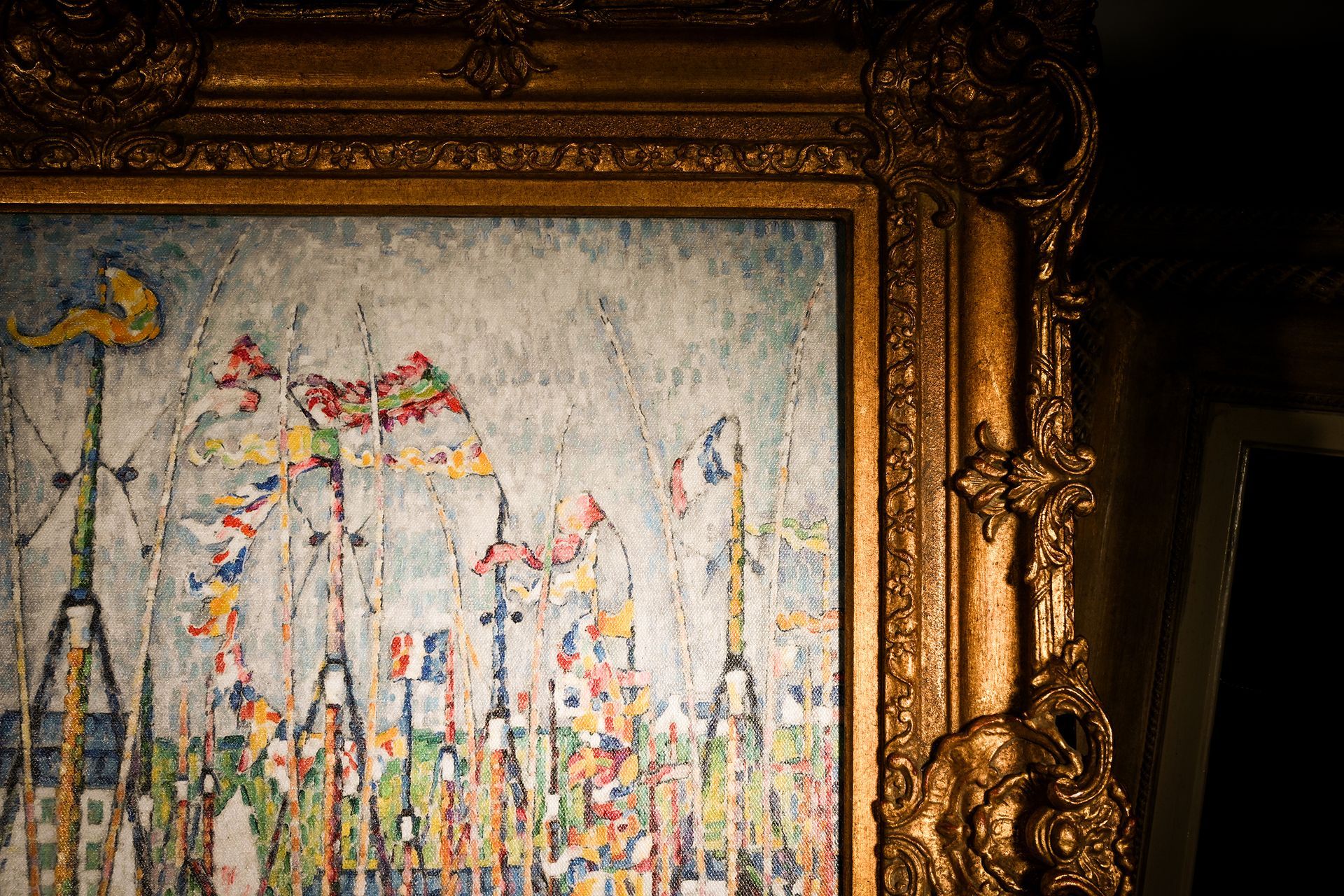
An oleograph is a 19th-century printmaking process developed to imitate the appearance of an oil painting. Produced using advanced lithographic methods of the time, oleographs were built up in multiple colour layers and often finished with varnish or surface texture to emulate brushwork and depth.
Popular throughout the Victorian era, they enabled households to display convincing “paintings” on their walls—often reproductions of famous artworks, religious scenes, or sentimental subjects—at a fraction of the cost of an original.
The Rise of Facsimile Reproductions
While oleographs focused on recreating the effect of oil painting, facsimile reproductions aim for something more exact: a faithful, highly accurate representation of the original artwork. A true facsimile seeks to replicate scale, colour, tonal range, and even surface character as closely as possible.
With the advent of high-resolution digital capture, precise colour management, and archival printing technologies, modern facsimiles can achieve extraordinary levels of fidelity—often indistinguishable from the original at a glance.
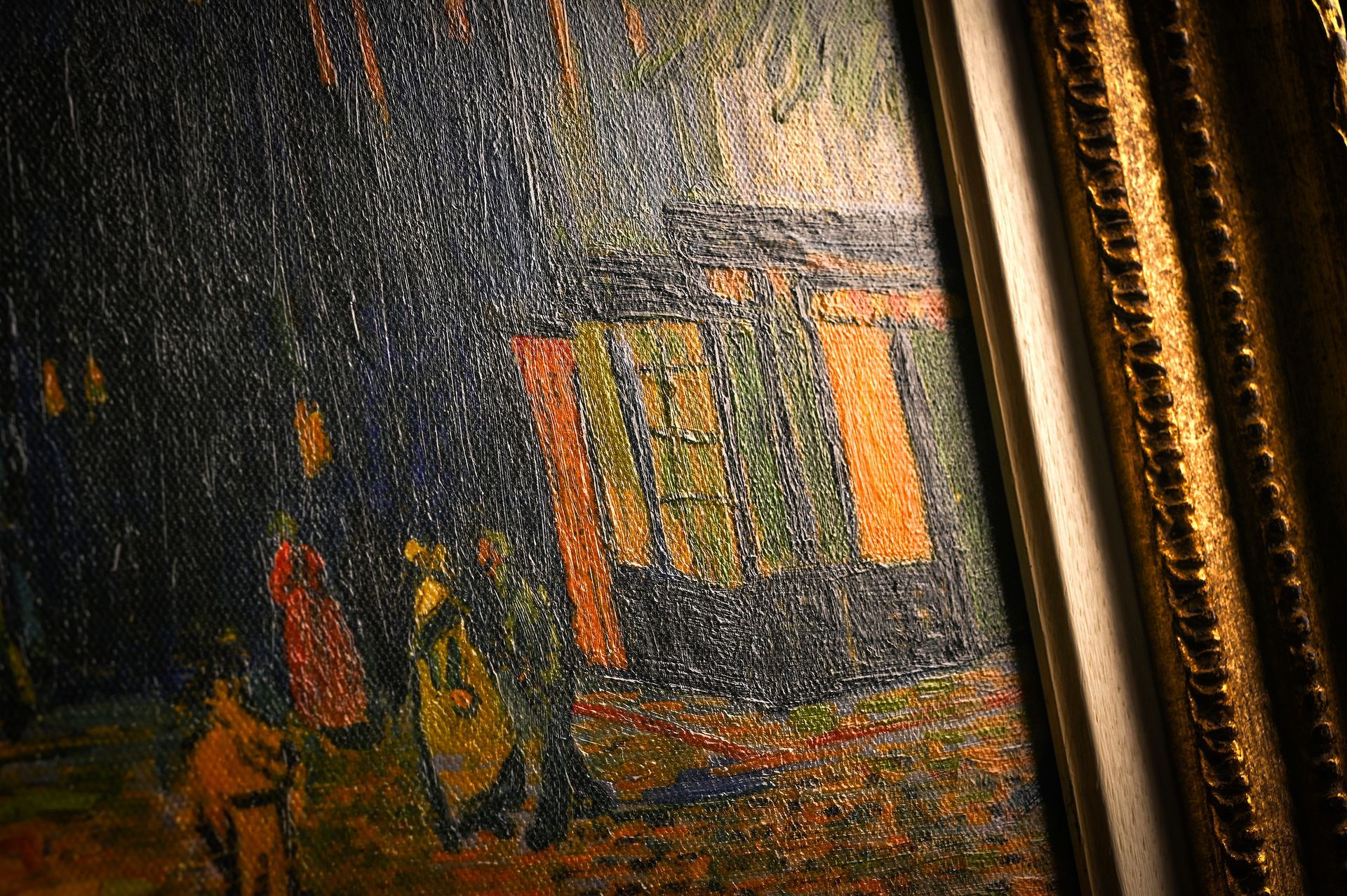
How We Create Reproduction Artwork Today
Contemporary reproduction combines cutting-edge technology with traditional hand craftsmanship to achieve results that go far beyond earlier methods.
Canvas Reproductions
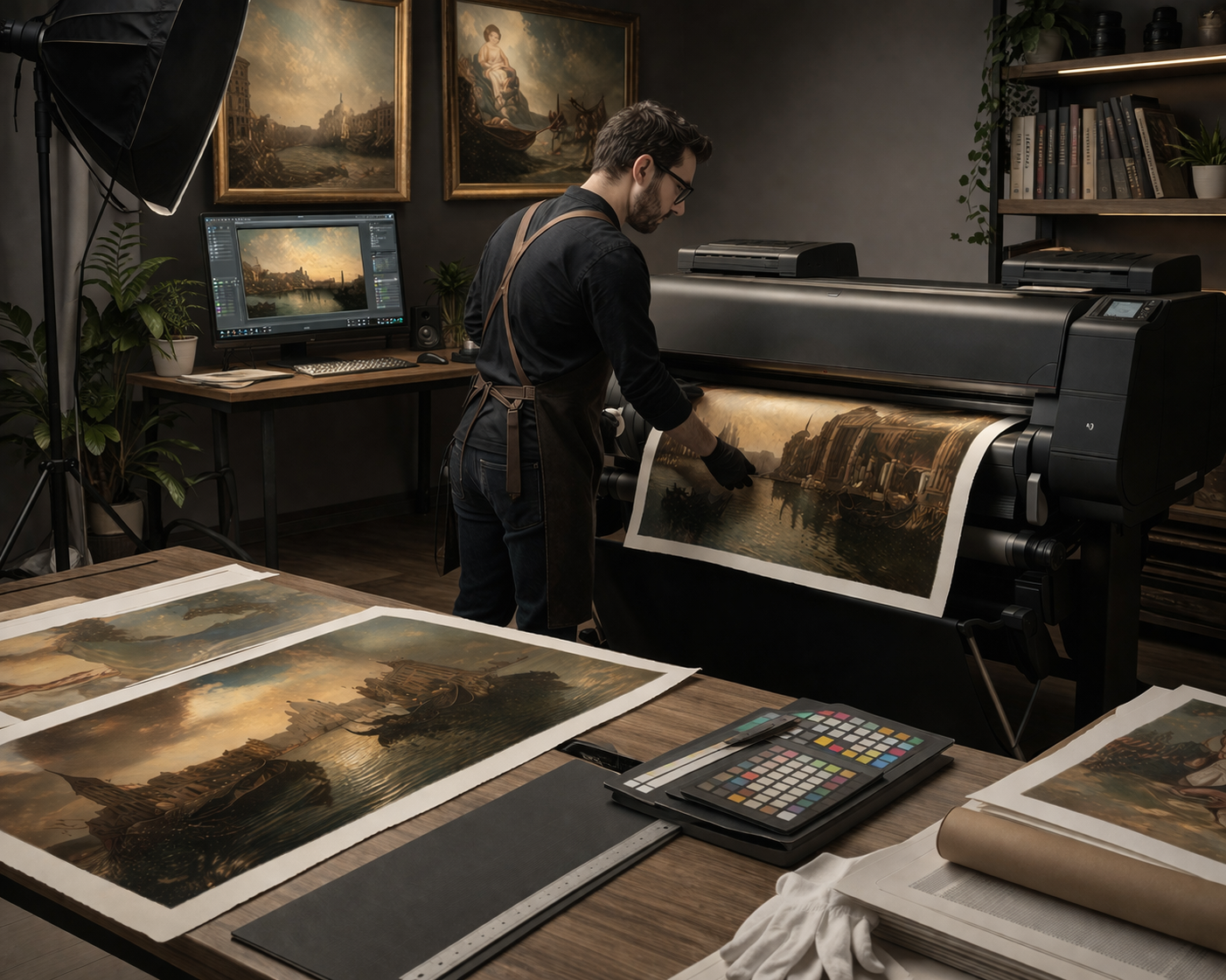
When producing works on canvas, the process begins with an ultra high-resolution digital capture of the original artwork. This file is then printed directly onto fine art canvas using advanced archival inks, ensuring exceptional colour accuracy and detail.
Once printed, each piece is carefully hand-finished. Skilled artisans build up texture across the surface to recreate the impasto—the raised, tactile quality of oil paint. This stage is crucial, transforming a flat print into something that closely mirrors the physical presence of the original painting.
Paper Reproductions
For works produced on paper, we use museum-quality fine art papers selected for their tone, weight, and archival properties. These substrates allow for incredibly refined detail and subtle tonal transitions, making them ideal for works where surface texture is less pronounced but precision is paramount.
Using calibrated printing processes, the result is a facsimile that honours the integrity of the original—both visually and materially.
Oleographs vs Facsimiles: What’s the Difference?
Although both oleographs and facsimiles fall under the umbrella of art reproduction, their intentions differ:
- Oleographs are interpretive, designed to evoke the look of oil paintings through layered printing and finishing techniques.
- Facsimiles strive for exactness, focusing on faithful replication of the original in every detail.
In many ways, modern reproduction brings these two philosophies together—combining the visual richness of oleographs with the precision of facsimiles.
The Modern Perspective
Today, advances in digital imaging and printing have elevated reproduction to an exceptional level of quality. Combined with traditional hand-finishing techniques, modern processes can recreate not only the image but the physical presence of a painting.
At the same time, historical techniques like oleography remain an important reference point—reminding us of the long-standing desire to bring great art into everyday life.
Frequently Asked Questions
1. What is museum-quality art reproduction?
Museum-quality art reproduction refers to the creation of a high-fidelity facsimile using archival capture methods, pigment-based printing systems, and carefully selected substrates that reflect the character of the original work.
Unlike decorative prints, a museum-grade reproduction is produced with conservation awareness and visual accuracy as primary considerations.
2. Why would a private collector commission a fine art facsimile?
Collectors typically commission museum-grade reproductions to reduce risk while preserving visual presence.
Common reasons include:
- Limiting light exposure of sensitive works
- Reducing transit between multiple residences
- Managing insurance considerations
- Supporting estate planning or legacy continuity
In most cases, reproduction forms part of responsible collection stewardship rather than replacemen
3. How accurate is a museum-grade art reproduction?
When produced using high-resolution capture and archival pigment systems, a fine art facsimile can achieve exceptional colour fidelity and surface detail.
The objective is visual continuity — ensuring the reproduction reflects the tonal balance, texture, and scale of the original as faithfully as possible.
👉 Contact us today to discuss your artwork reproduction and request a sample.
Capturing the Essence: The Art of Museum Quality Artwork Reproductions