Gustav Klimt: Gold, Beauty, and the Art of Timeless Reproduction
Few artists capture the imagination quite like
Gustav Klimt. Instantly recognisable for his opulent use of gold, intricate patterning, and sensual subject matter, Klimt’s work sits at the intersection of fine art, decoration, and symbolism. More than a century after his most iconic paintings were created, they remain among the most requested and admired works in the world of high-end art reproduction.
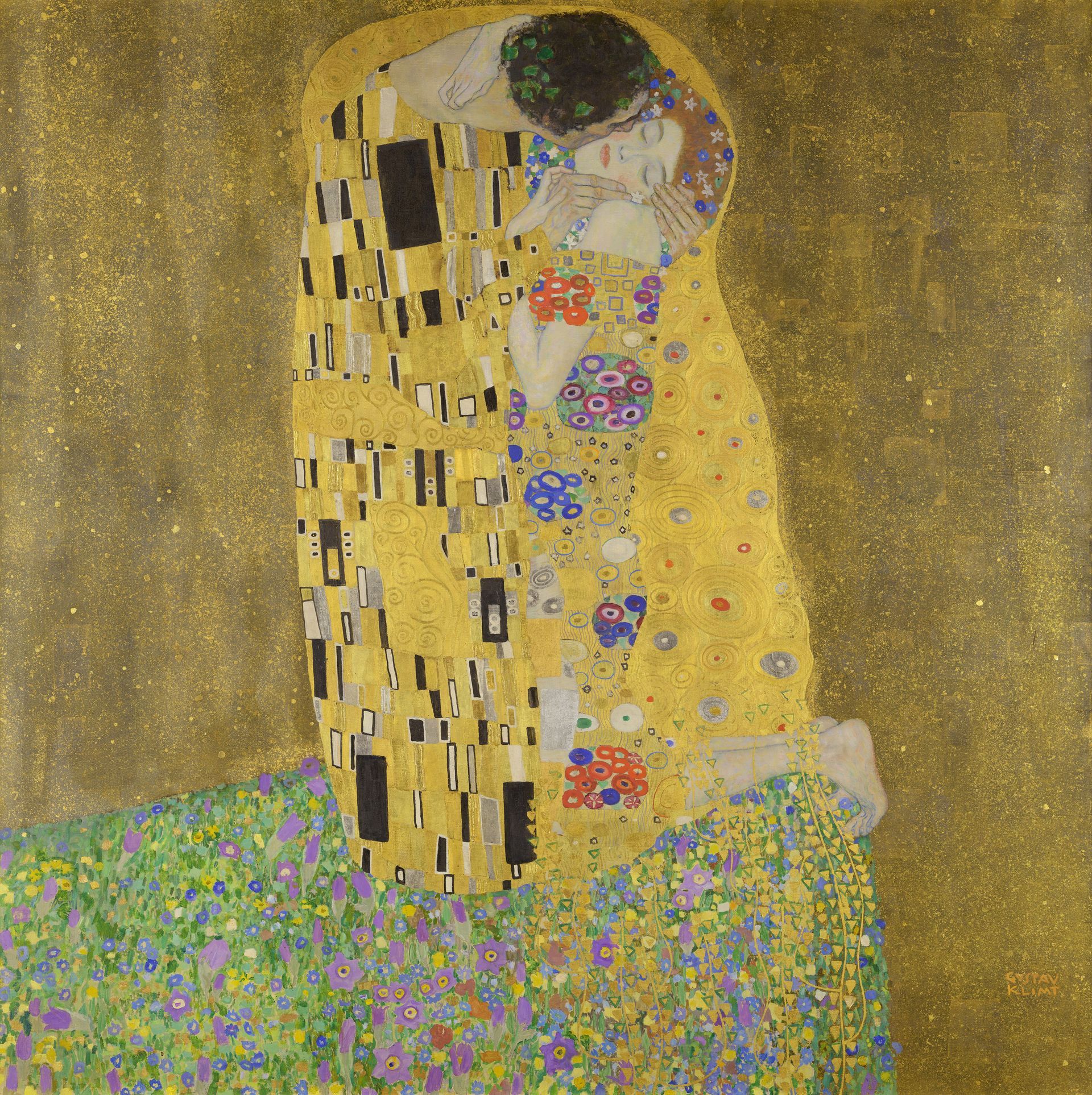
The Master of the Vienna Secession
Born in 1862 in Vienna, Klimt became the leading figure of the Vienna Secession, a movement that rejected traditional academic art in favour of a more expressive, decorative, and modern approach.
His early career was rooted in classical training, but his later work broke free—embracing:
Ornamental design
Symbolic imagery
A distinctive fusion of fine art and craftsmanship
This evolution culminated in what is now known as his “Golden Phase”—the period that defined his legacy.
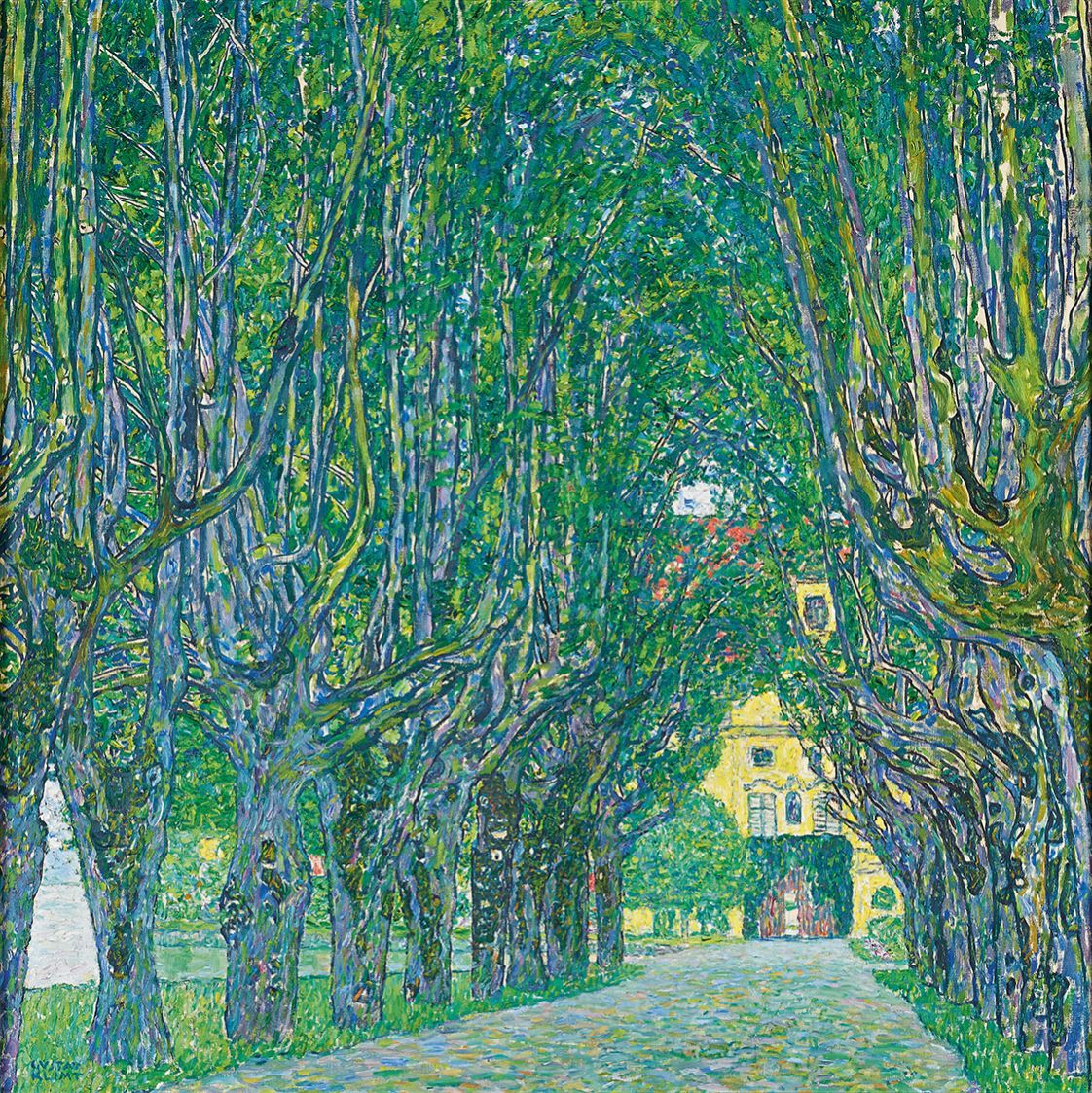
The Golden Phase: Where Art Meets Luxury
Klimt’s most celebrated works, including The Kiss and Portrait of Adele Bloch-Bauer I, are defined by their lavish use of gold leaf. Inspired in part by Byzantine mosaics, these paintings blur the boundary between painting and object.
Gold in Klimt’s work is not simply decorative—it transforms the artwork into something almost sacred. The surface shimmers, shifts, and reacts to light, creating a depth that is extraordinarily difficult to replicate.
For collectors and interiors alike, this is where reproduction becomes both an art and a technical challenge.
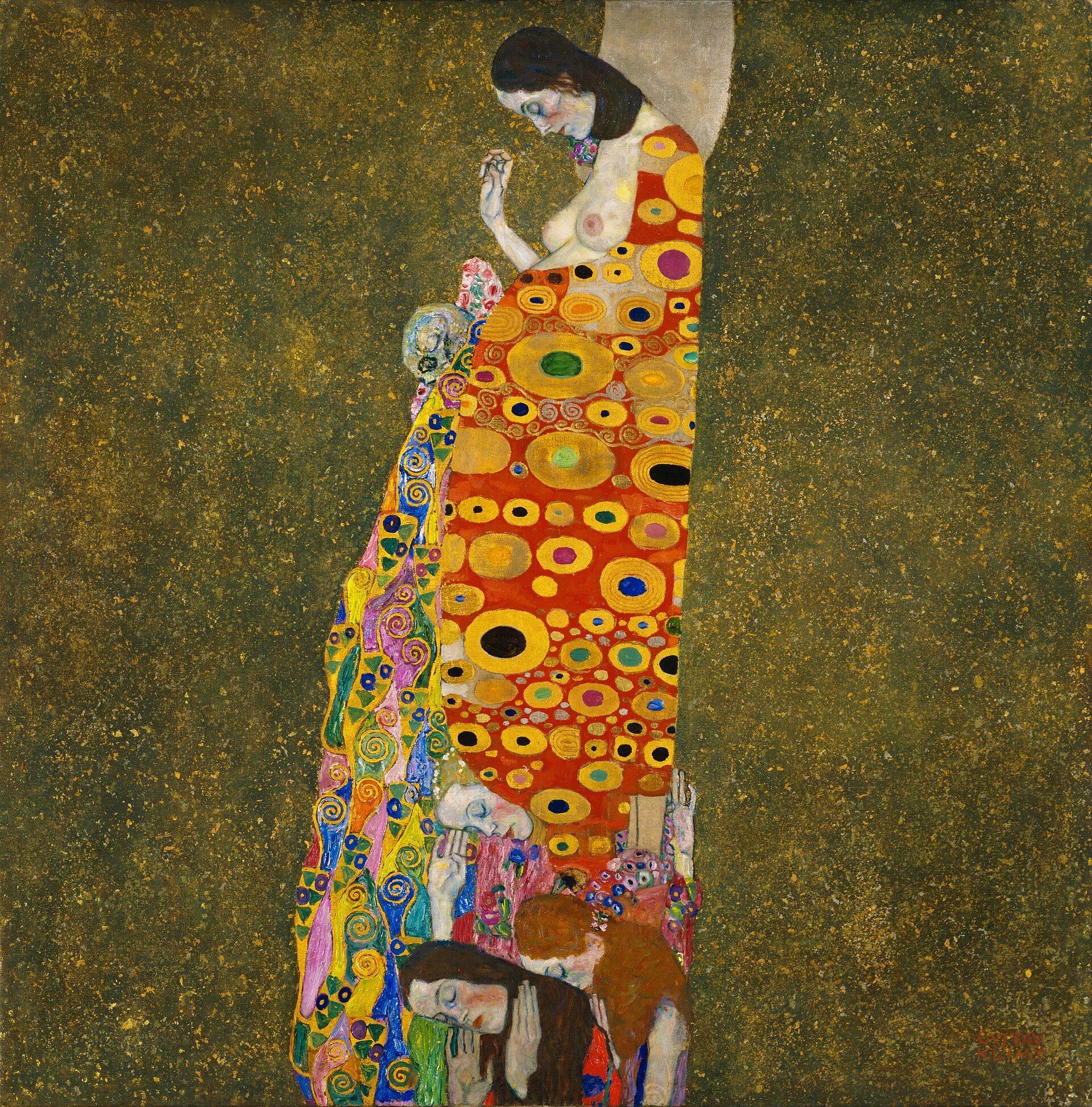
Why Klimt Is So Sought After Today
Klimt’s work resonates strongly with modern collectors for several reasons:
- Visual impact – His pieces command attention in any space
- Timeless elegance – Gold and pattern integrate beautifully into both classic and contemporary interiors
- Cultural significance – His works are among the most recognisable in art history
- Investment association – Original Klimt works command record-breaking prices
As a result, high-quality reproductions are in constant demand—particularly for private collectors, interior designers, and galleries seeking museum-level presentation without the constraints of original works.
The Challenge of Reproducing Klimt
Reproducing a Klimt is not simply a matter of printing an image.
To do justice to his work requires:
- Exceptional colour accuracy
- Careful tonal control to preserve subtle transitions
- A deep understanding of surface texture
- The ability to recreate the visual richness of gold
Standard reproductions often fall flat—losing the luminosity and depth that make Klimt’s work so captivating.
The Importance of Craftsmanship in Reproduction
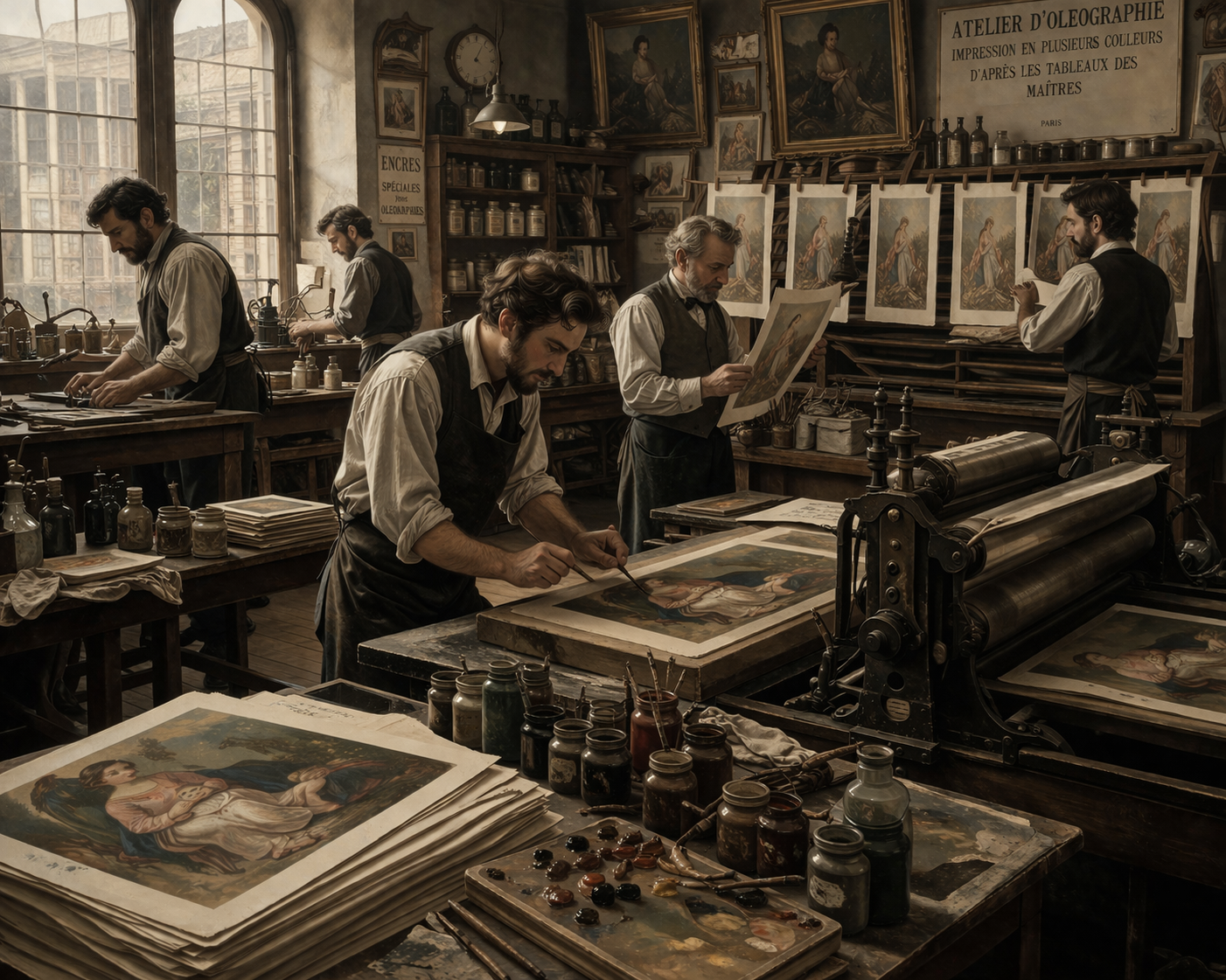
At the highest level, art reproduction becomes a craft in its own right.
A truly exceptional Klimt reproduction should:
- Capture the depth and warmth of gold tones
- Maintain crisp detail in intricate patterns
- Reflect the original scale and presence of the work
- Be finished with a level of care that honours the original artist’s intent
For discerning clients, this difference is immediately visible.
Klimt in Contemporary Interiors
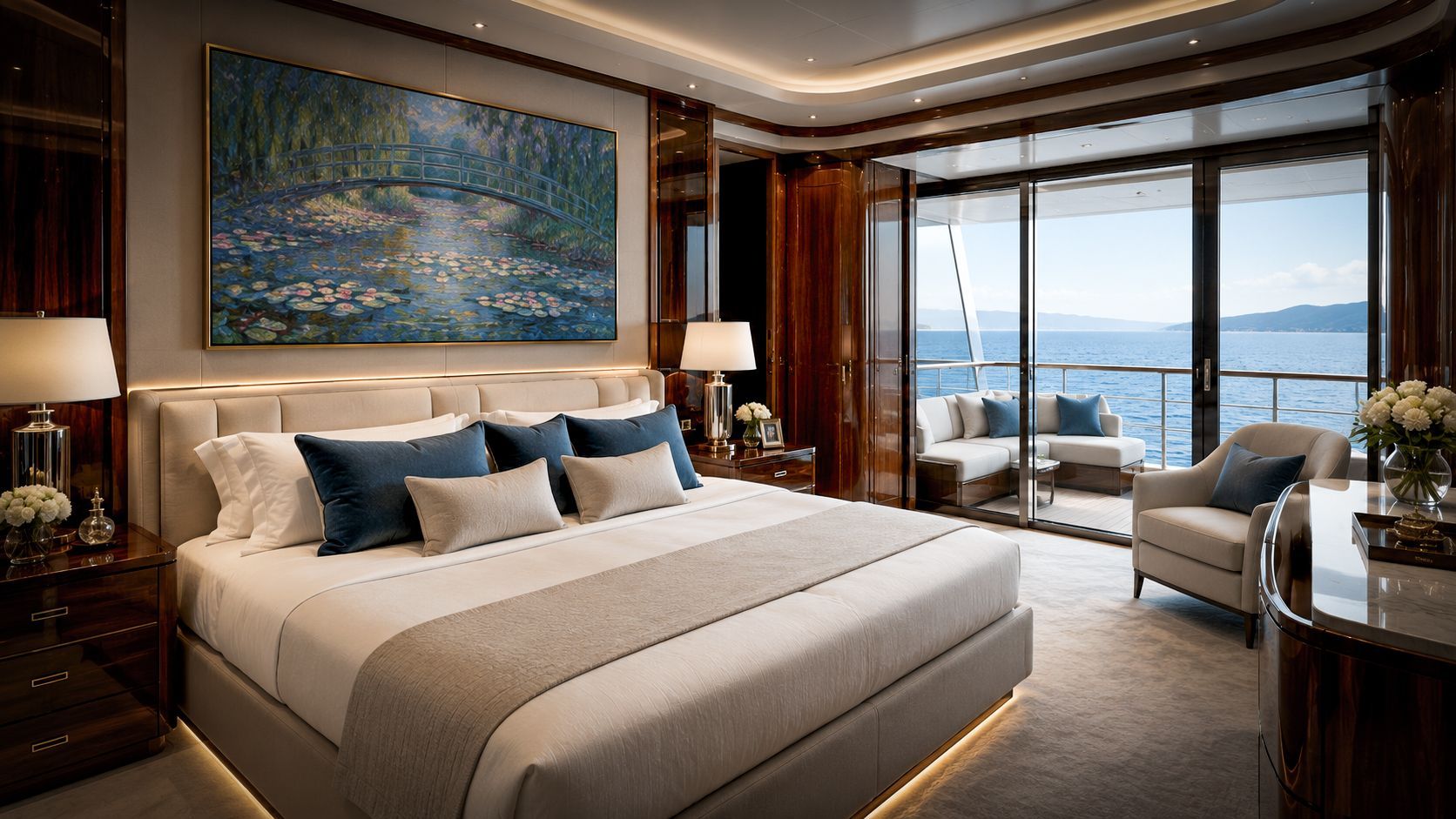
Klimt’s work continues to thrive in modern spaces, from private residences to luxury hotels and curated collections.
Popular choices include:
- The Kiss – A statement piece of intimacy and opulence
- Adele Bloch-Bauer I – Iconic, bold, and unmistakably luxurious
- Tree of Life – Decorative, symbolic, and ideal for larger spaces
Whether placed in a minimalist setting or a richly layered interior, Klimt’s work brings warmth, texture, and a sense of timeless sophistication.
A Legacy That Endures
Gustav Klimt’s work transcends time because it speaks to something universal—beauty, intimacy, and the desire for something extraordinary.
For those who appreciate fine art but demand the highest standards, reproduction offers a way to experience these masterpieces in a meaningful and enduring way.
Frequently Asked Questions
1. What is museum-quality art reproduction?
Museum-quality art reproduction refers to the creation of a high-fidelity facsimile using archival capture methods, pigment-based printing systems, and carefully selected substrates that reflect the character of the original work.
Unlike decorative prints, a museum-grade reproduction is produced with conservation awareness and visual accuracy as primary considerations.
2. Why would a private collector commission a fine art facsimile?
Collectors typically commission museum-grade reproductions to reduce risk while preserving visual presence.
Common reasons include:
Limiting light exposure of sensitive works
Reducing transit between multiple residences
Managing insurance considerations
Supporting estate planning or legacy continuity
In most cases, reproduction forms part of responsible collection stewardship rather than replacemen
3. How accurate is a museum-grade art reproduction?
When produced using high-resolution capture and archival pigment systems, a fine art facsimile can achieve exceptional colour fidelity and surface detail.
The objective is visual continuity — ensuring the reproduction reflects the tonal balance, texture, and scale of the original as faithfully as possible.
👉 Contact us today to discuss your artwork reproduction and request a sample.
Capturing the Essence: The Art of Museum Quality Artwork Reproductions