How Does The Reproduction Process Work?
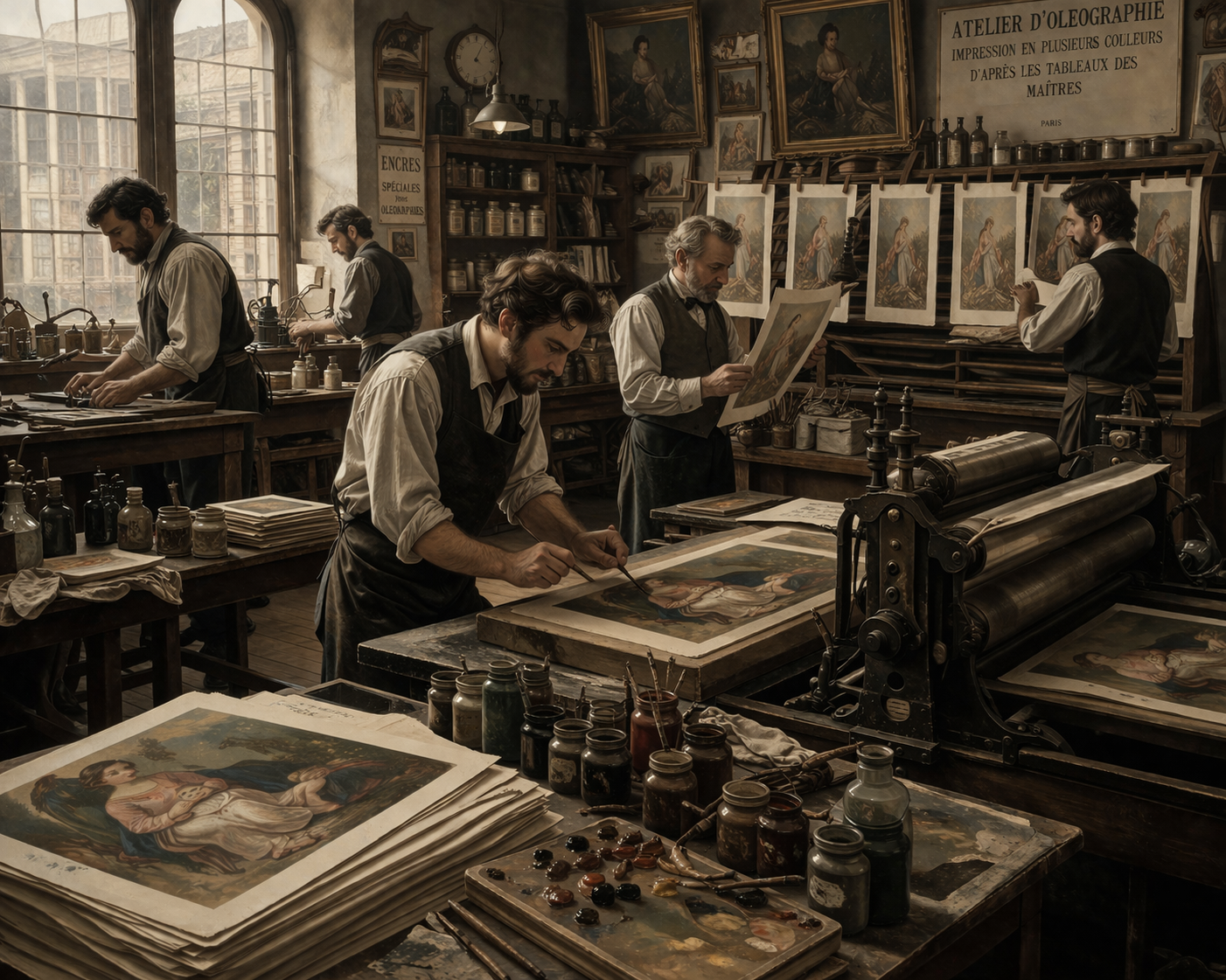
Our process is designed for the highest level of accuracy and discretion:
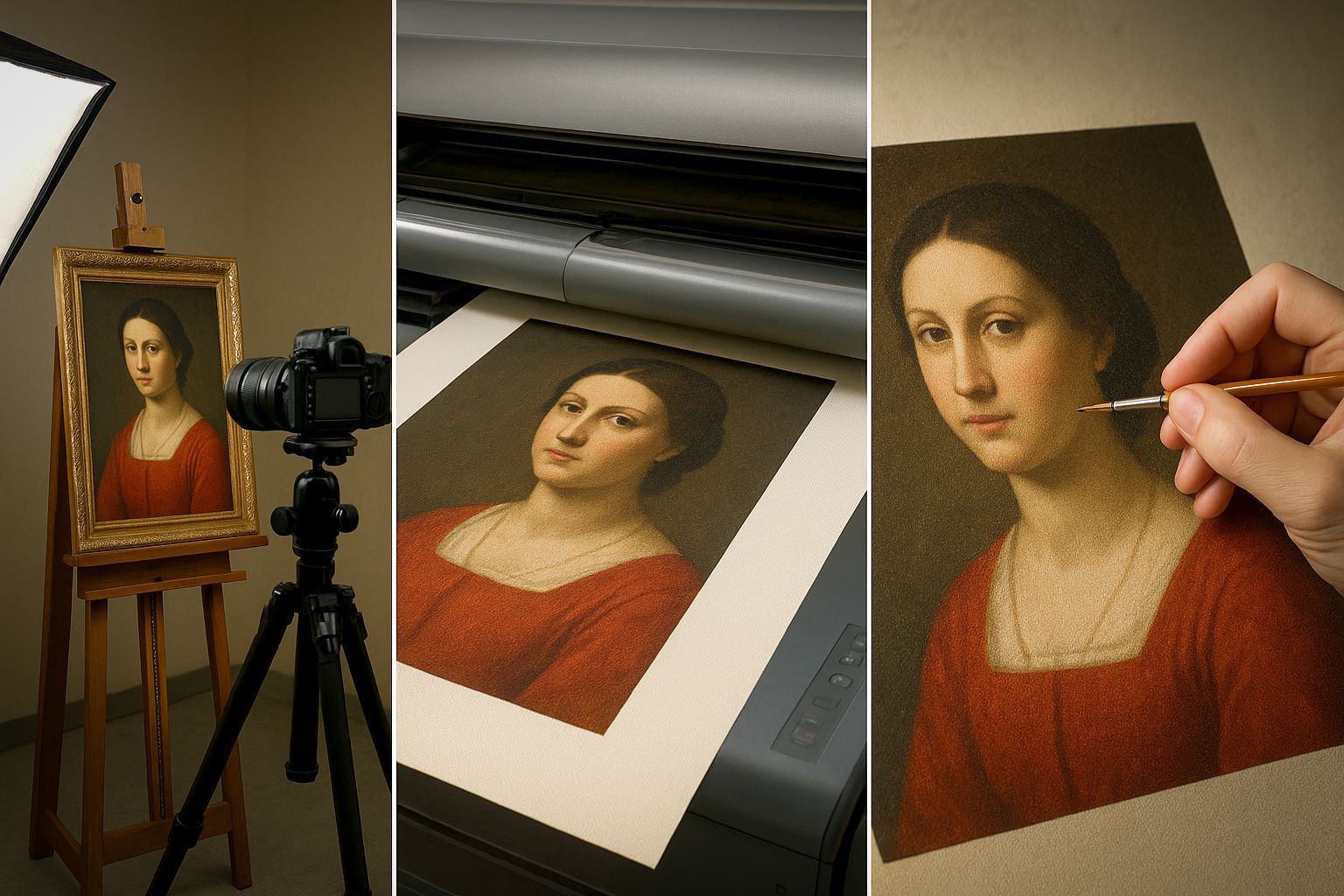
- Professional Photography – The original painting is photographed in our studio using specialist cameras, controlled lighting, and colour calibration to capture every detail.
- Fine Art Printing – The image is then printed using state-of-the-art giclée printing technology on archival-quality canvas or fine art paper, ensuring exceptional sharpness, tonal range, and colour accuracy.
- Hand Finishing by Artists – Our skilled artists carefully apply hand-painted details, textures, and finishes to recreate the look and feel of the original brushwork. This step gives the reproduction a depth and authenticity that standard printing alone cannot achieve.
- Final Presentation – The reproduction can be stretched, mounted, or framed to mirror the original artwork as closely as possible.
Where Can I Get My Painting Copied?
If you own an original artwork—whether it’s a family heirloom, an Old Master, or a contemporary piece—you may be wondering: “Where can I get my painting copied?”
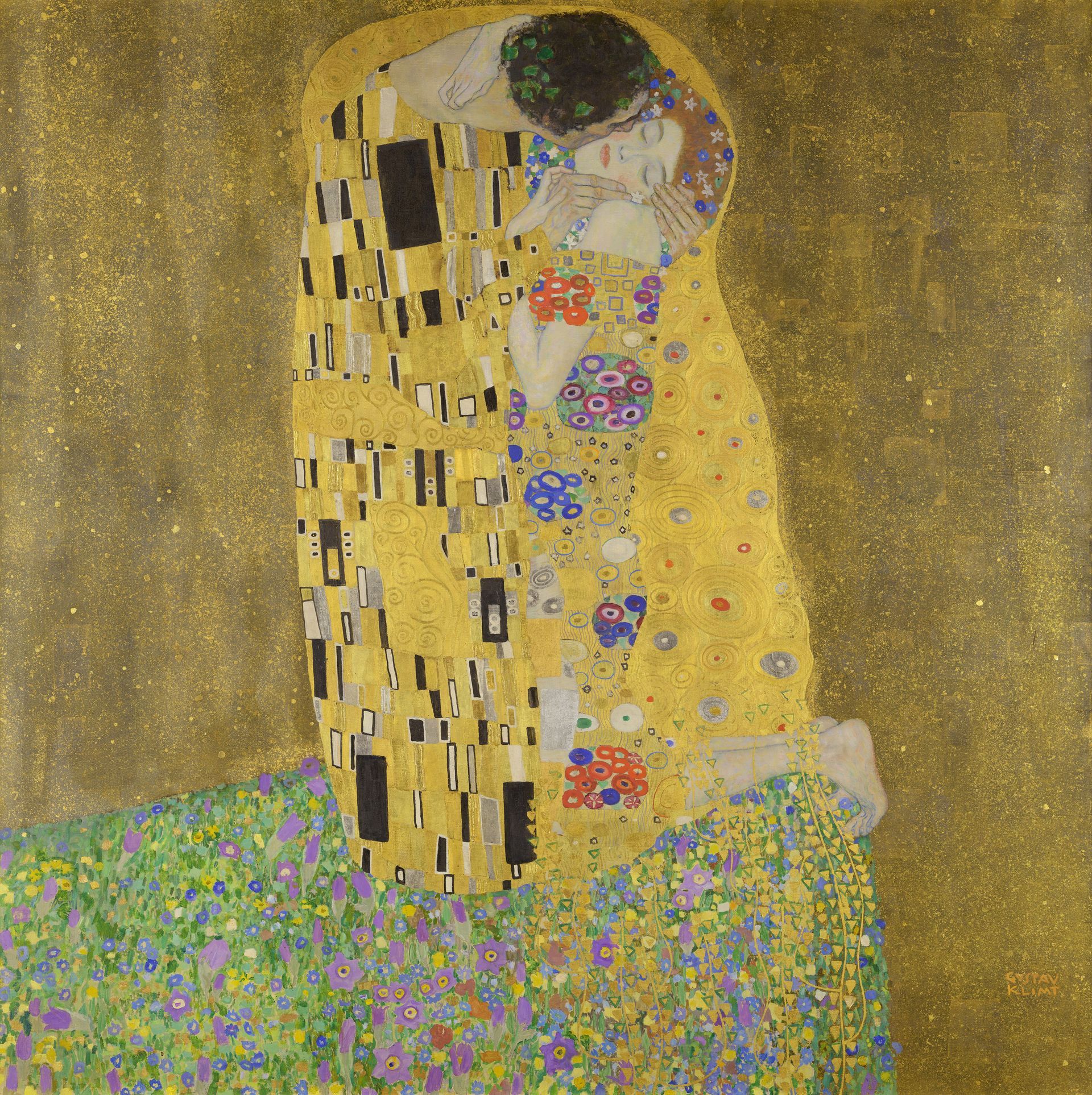
The answer depends on what you mean by a “copy.” Some people are looking for a skilled painter to create a hand-painted replica, while others want a museum-quality photographic reproduction that captures the detail, texture, and colour of the original with precision.
At
Artwork Reproductions, this is exactly what we specialise in. For over 30 years the team behind Artwork Reproductions, we’ve been trusted by private collectors, galleries, and auction houses—including Sotheby’s and Christie’s—to reproduce paintings with accuracy and care.
Why Would Someone Want Their Painting Copied?
There are many reasons why clients come to us:
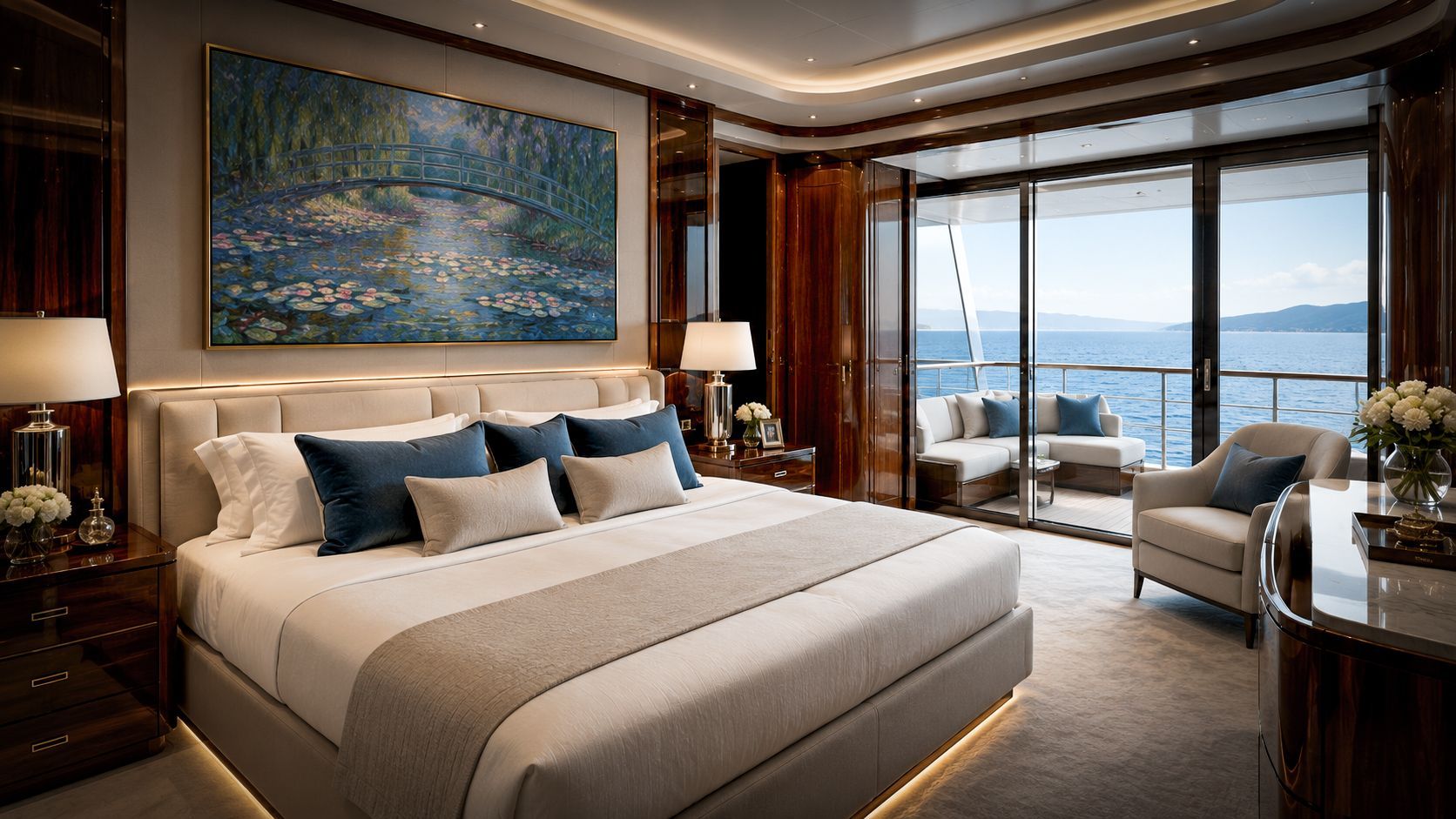
- Security & Insurance – Keep the original artwork safe in storage while displaying a faithful reproduction in your home.
- Legacy & Family Gifting – Create copies so each family member can enjoy a cherished piece.
- Exhibitions & Loans – Display a reproduction when the original cannot travel.
- Peace of Mind – Enjoy your artwork every day without worrying about damage, fading, or theft.
How Does The Reproduction Process Work?
Our process is designed for the highest level of accuracy and discretion:
- Professional Photography – The original painting is photographed in our studio using specialist cameras, controlled lighting, and colour calibration to capture every detail. Should the original artwork not be available, we can utilise image libraries to potentially supply your cherished piece.
- Fine Art Printing – The image is then printed using state-of-the-art giclée printing technology on archival-quality canvas or fine art paper, ensuring exceptional sharpness, tonal range, and colour accuracy.
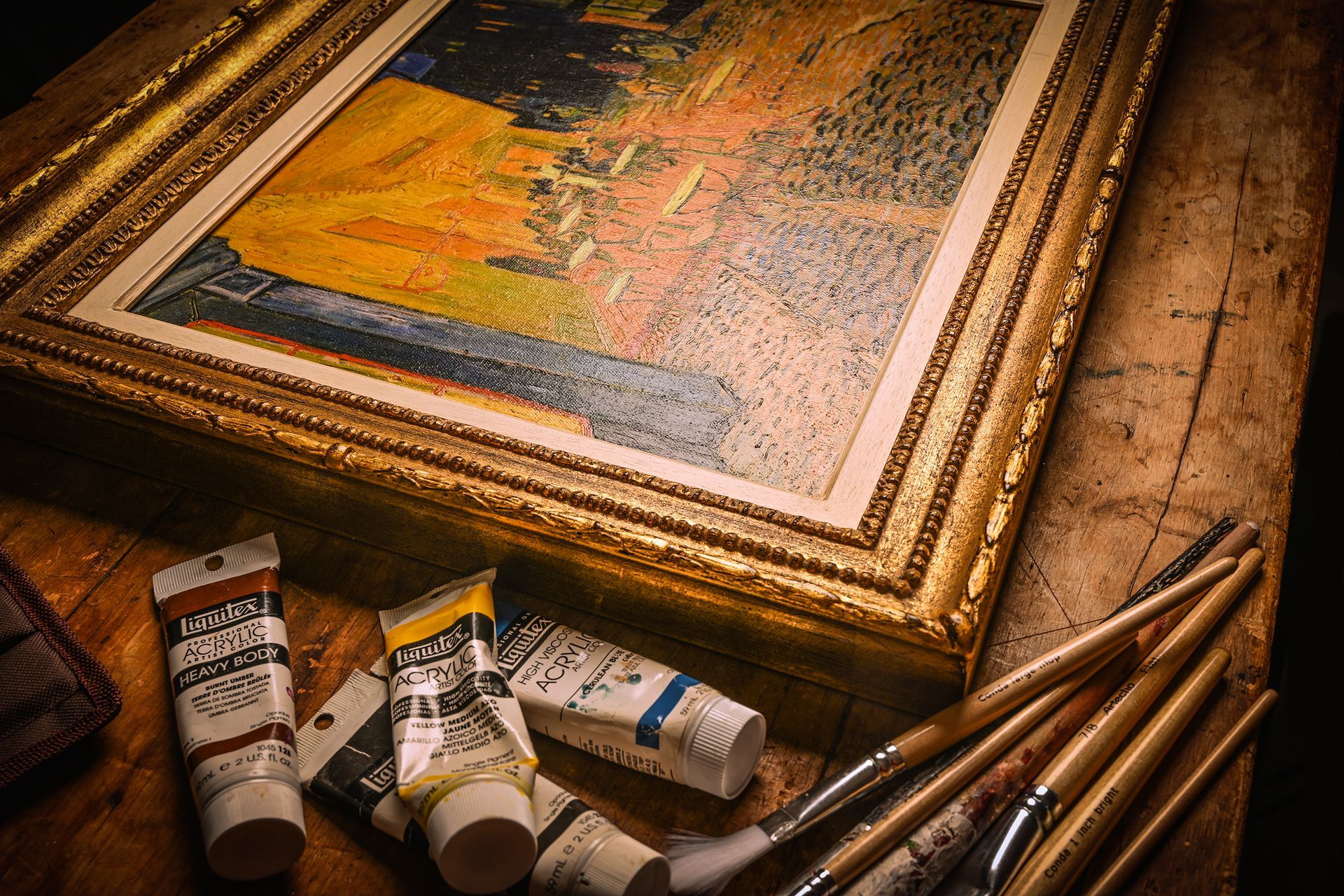
- Hand Finishing by Artists – Our skilled artists carefully apply hand-painted details, textures, and finishes to recreate the look and feel of the original brushwork. This step gives the reproduction a depth and authenticity that standard printing alone cannot achieve.
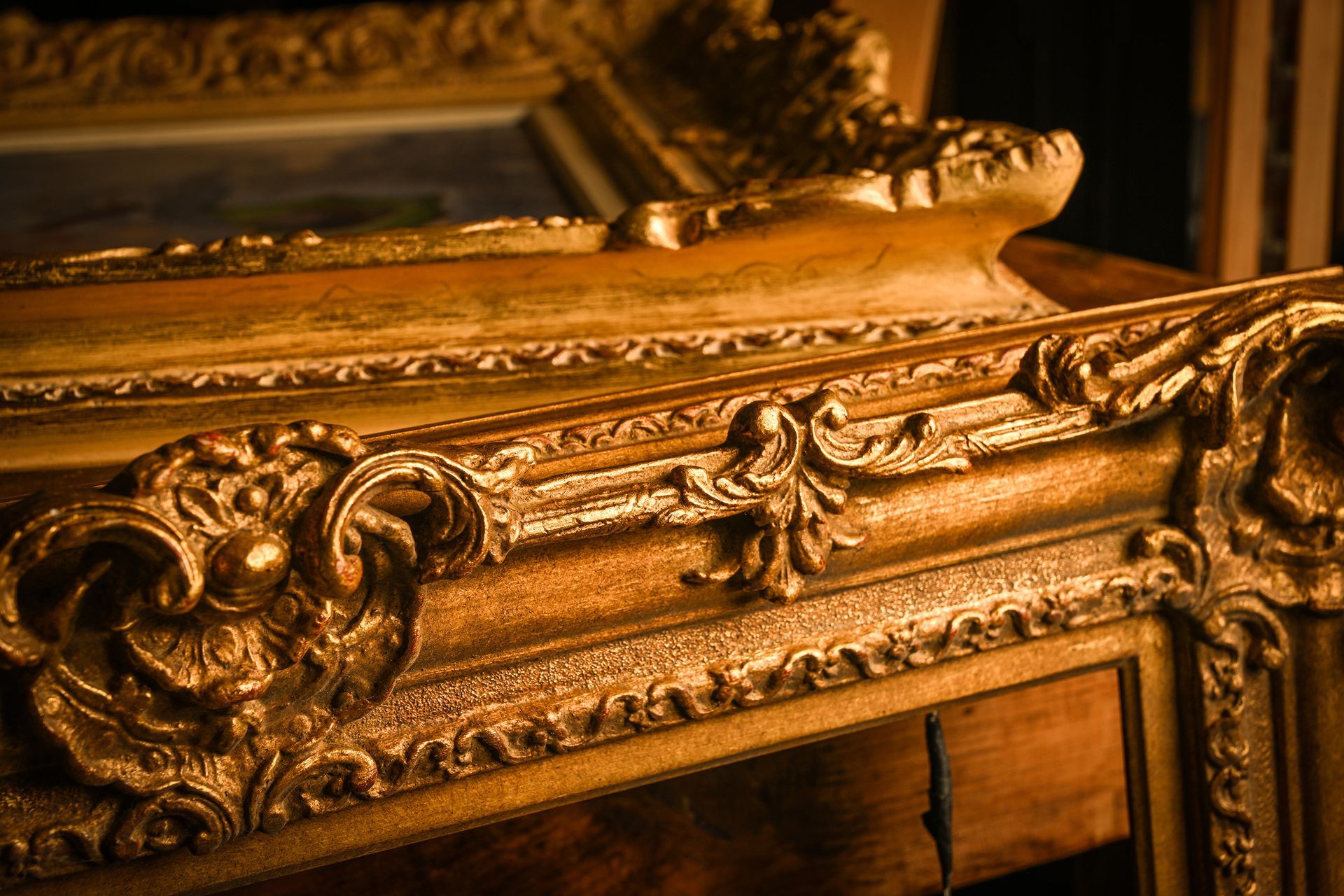
- Final Presentation – The reproduction can be stretched, mounted, or framed to mirror the original artwork as closely as possible.
Why Choose Us?
Unlike standard printing services, our reproductions combine technology and traditional artistry. The result is a work that not only looks like the original but also feels like it. Every reproduction is created to museum standards, making it suitable for private collectors, galleries, and exhibitions alike.
FAQs
Can you copy very large paintings?
Yes. We regularly work with large-scale artworks and have the equipment and expertise to photograph, print, and finish pieces of any size.
Do you work internationally?
Absolutely. We have clients all over the world and can arrange secure transport, photography, and delivery of your reproductions wherever you are.
Will my reproduction fade over time?
Our prints are made using archival-quality inks and papers/canvases, designed to last for decades without noticeable fading.
Is the process confidential?
Yes. We work with some of the world’s most valuable and recognisable artworks, so confidentiality and discretion are at the core of what we do.
So, Where Can You Get Your Painting Copied?
If you’re looking for professional, confidential, and museum-quality reproductions, we’d be delighted to help. Whether your painting is a family treasure or a world-renowned masterpiece, our team treats every project with the same level of expertise and respect.
👉 Contact us today to discuss your artwork reproduction and request a sample.
Capturing the Essence: The Art of Museum Quality Artwork Reproductions