Unveiling the Artistry: Exploring the Rich Texture and Depth of Impasto Painting Techniques
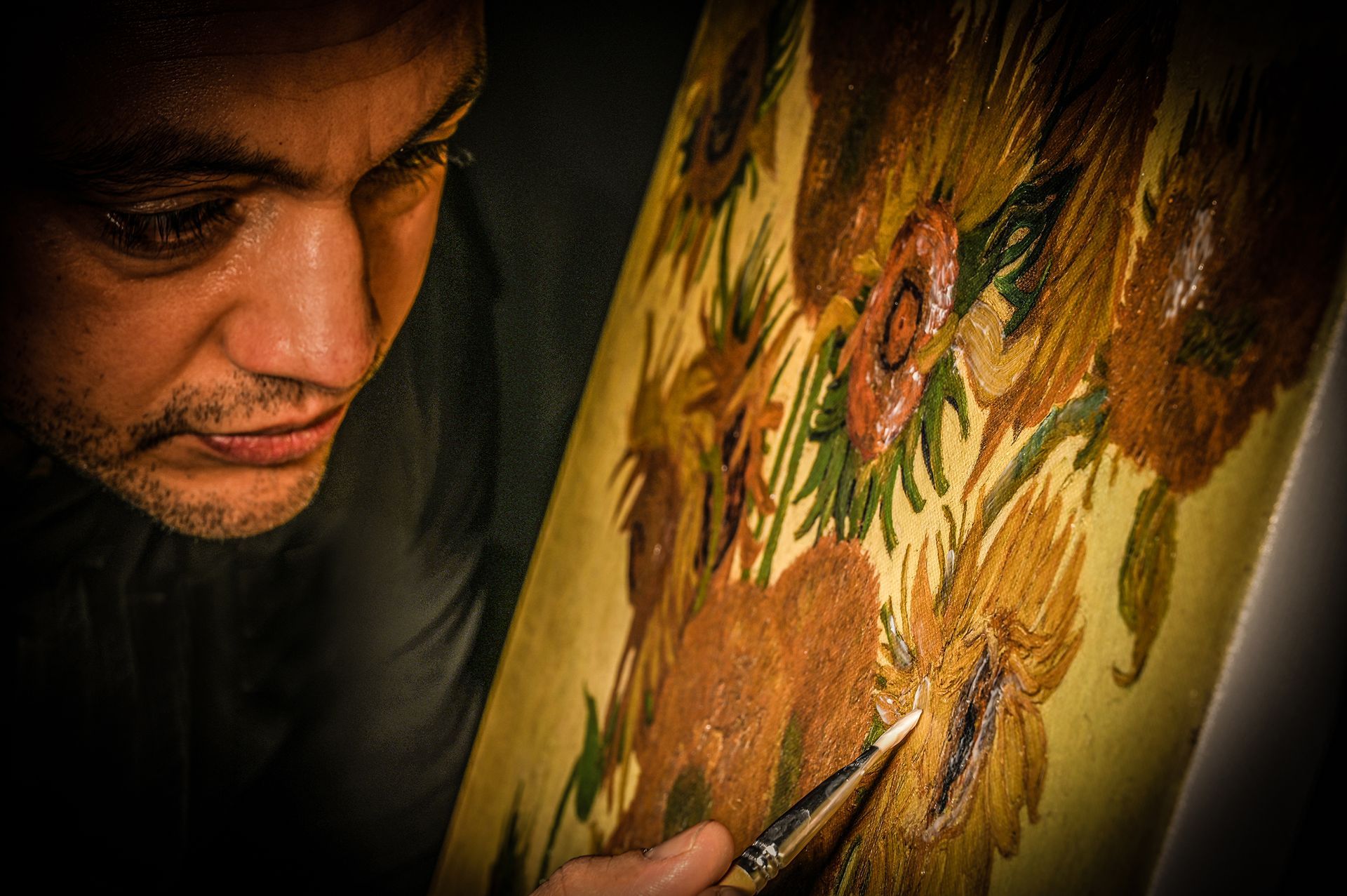
Impasto is a painting technique in which paint is applied very thickly to create a textured surface. Artists use a palette knife or brush to layer and build up the paint, resulting in a three-dimensional effect on the canvas. The thick application of paint creates visible brushstrokes and gives the painting a textured and tactile quality.
Impasto is often associated with the works of artists like Vincent van Gogh, who was known for his bold and expressive use of this technique. The raised areas of paint in an impasto painting can cast shadows, adding to the overall visual impact. The texture created by impasto not only adds a physical dimension to the artwork but also plays with light, enhancing the vibrancy and intensity of colours.
While impasto is commonly used to create a sense of depth and movement, artists may employ this technique for various purposes, including emphasising certain elements of a composition or conveying a particular emotional tone. It is a versatile method that allows artists to experiment with the physicality of paint and explore the expressive possibilities of texture in their works.
At Artwork Reproductions, we pride ourselves on our ability to replicate the impasto style painting technique with precision, providing the opportunity to experience the tactile and visually striking qualities characteristic of artists like Vincent van Gogh.
🎨 Precision in Technique: Our skilled artists meticulously study the original artwork, paying close attention to the specific impasto techniques employed by the master. We understand that the thickness, direction, and rhythm of the brushstrokes play a crucial role in capturing the essence of the impasto style. By utilizing similar tools and techniques, we ensure that our reproductions faithfully reproduce the unique texture and depth of the original.
🌟 Attention to Detail: The success of replicating the impasto style lies in the details. Our artists carefully analyse the original artwork's surface, identifying raised areas and textured nuances. Through a combination of keen observation and expert craftsmanship, we recreate the intricate details that make impasto paintings visually captivating.
🎨 Custom Mixing of Paint: To achieve an authentic impasto effect, we engage in the custom mixing of paints. This involves recreating the specific colour palette used by the artist, ensuring that the reproduction not only captures the texture but also the vibrant and bold colours that define the impasto style.
🌟 Layering and Build-up: Just like Van Gogh layered paint to create a sense of depth, our artists follow a similar process. The layering and build-up of paint are crucial in replicating the physical dimension of impasto. This technique allows us to mimic the raised and textured surfaces that give the artwork a tangible quality.
🎨 Quality Assurance: Throughout the reproduction process, we maintain rigorous quality control standards. Our team carefully examines each piece to ensure that the impasto technique is faithfully reproduced, and the resulting artwork captures the spirit of the original. This commitment to quality is paramount in delivering museum-quality replicas that stand as true reflections of the artist's intent.
By offering faithful reproductions of the impasto style, Artwork Reproductions not only brings the beauty of Van Gogh's technique to a broader audience but also allows art enthusiasts to appreciate and connect with the tactile and expressive qualities that define this iconic painting style.
Capturing the Essence: The Art of Museum Quality Artwork Reproductions