Preserving Legacies: The Art of Scanning and Archiving in Artwork Reproductions
In the ever-evolving landscape of art, where the past informs the present and shapes the future, the importance of archiving cannot be overstated. At Artwork Reproductions, we understand the profound impact of preserving artistic legacies, and that's why we are excited to introduce our scanning and archiving services.
Unlocking Timeless Treasures
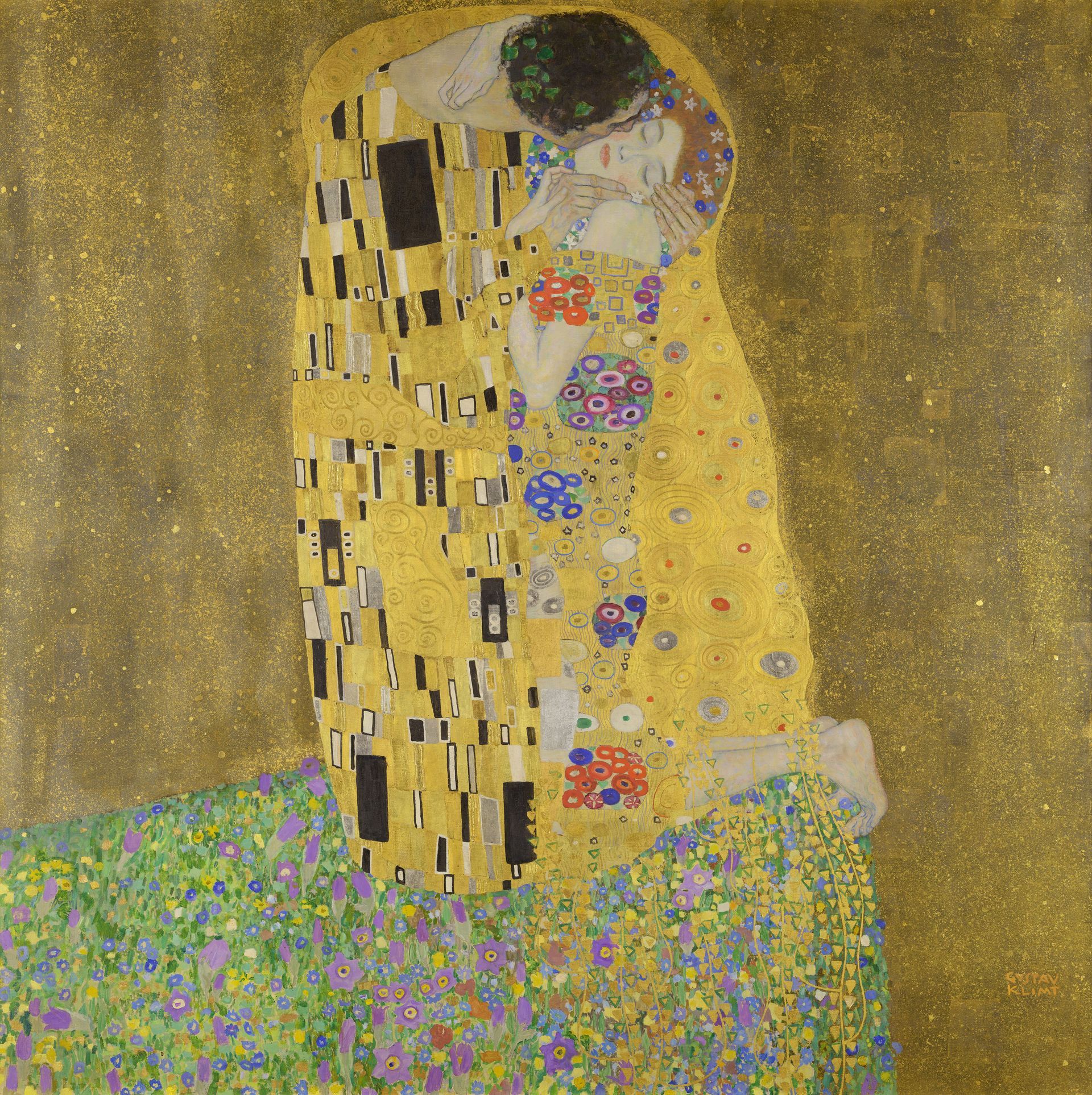
Art holds a unique power to transcend generations, telling stories that resonate across time. Our scanning and archiving services act as a bridge between the past and the present, unlocking timeless treasures encapsulated in old negatives, transparencies, and prints. By digitising these artefacts, we ensure that the essence of each piece is not lost to the passage of time.
Future Reference and Inspiration
Archiving isn't merely about preserving the past; it's an investment in the future. Our comprehensive archiving process allows for easy retrieval, ensuring that these historical pieces are readily available for future reference and inspiration. Whether you're an artist seeking inspiration from the masters or an institution preserving its artistic heritage, our archiving services provide a seamless gateway to a wealth of creative insight.
Avoiding the Deportation of Artistic History
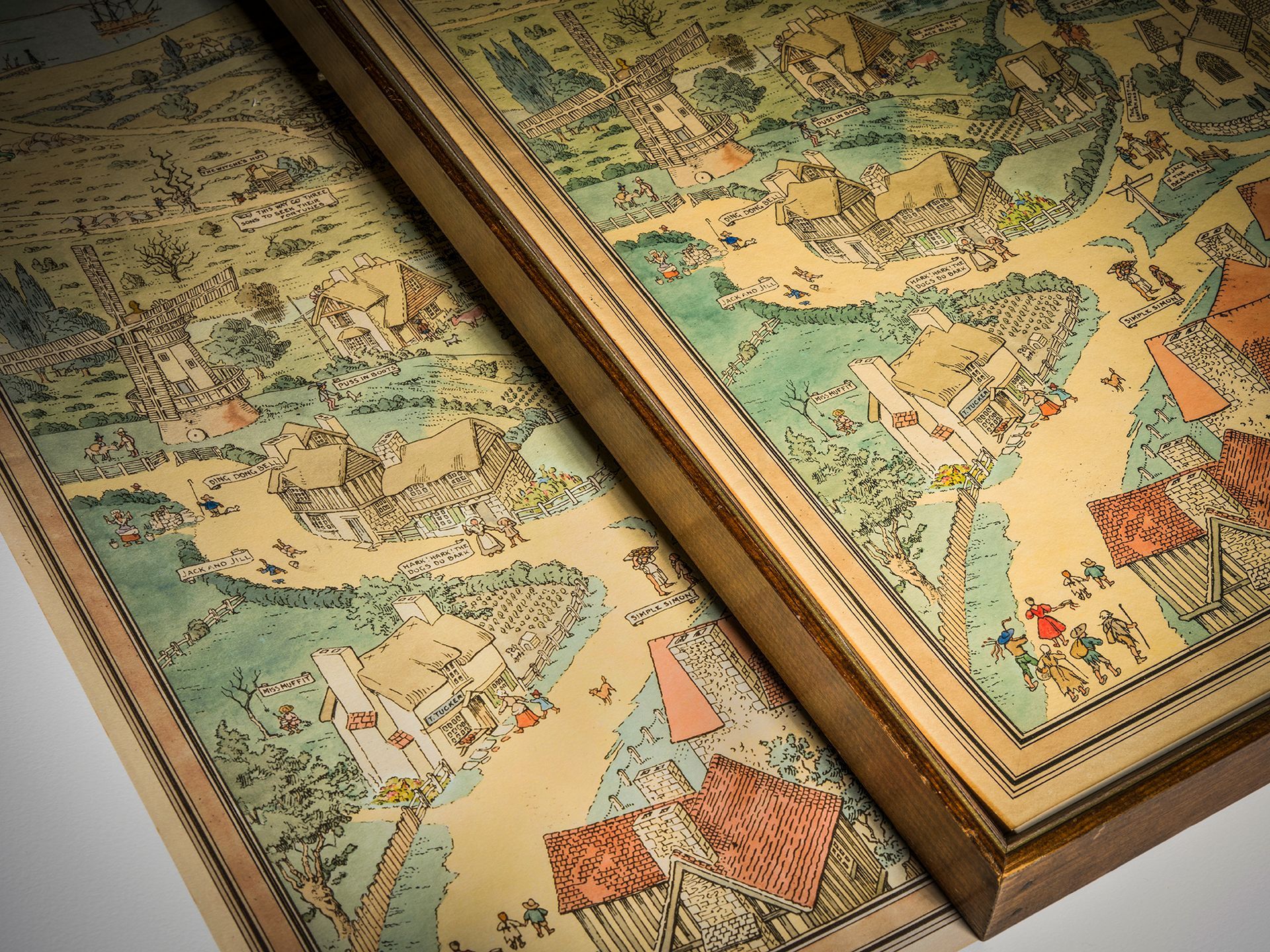
Many a masterpiece has been lost due to the degradation of physical mediums. Our scanning and archiving services act as a protective shield against the deportation of old negatives, transparencies, and prints. By digitising these vulnerable materials, we mitigate the risk of irreversible damage, preserving the integrity of each artwork for generations to come.
Our Commitment to Excellence
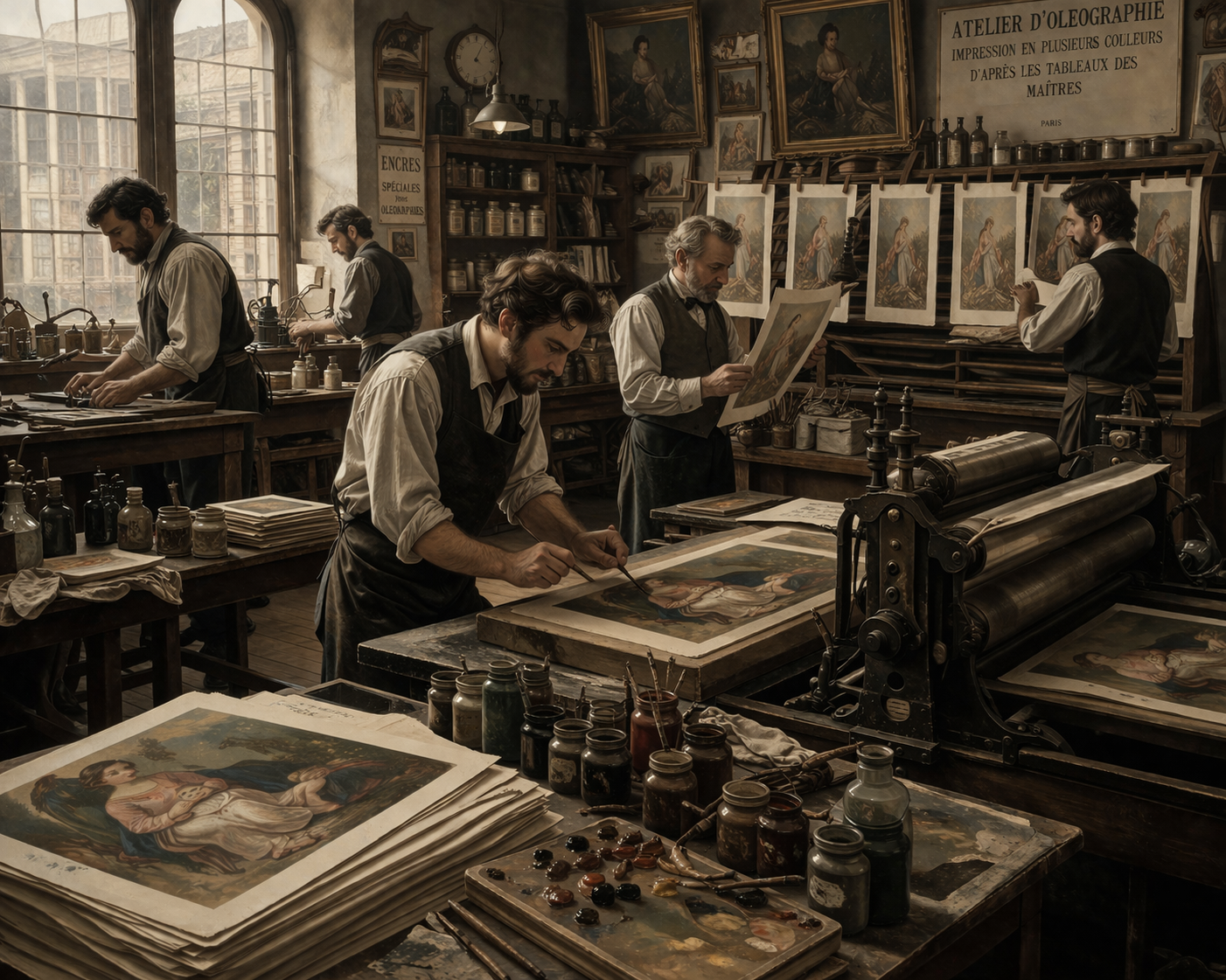
At Artwork Reproductions, we take pride in our commitment to excellence. Our scanning and archiving services are conducted with meticulous care, employing cutting-edge technology to capture every nuance of the original artwork. The result is a digital archive that not only safeguards the past but enhances the accessibility and longevity of artistic treasures.
Conclusion
In the realm of art, where every stroke tells a story and every hue holds a memory, archiving is an act of profound significance. At Artwork Reproductions, our scanning and archiving services aim to be the guardians of artistic legacies, ensuring that the beauty and inspiration of the past continue to illuminate the path forward. Embrace the power of preservation with us and embark on a journey that transcends time.
Capturing the Essence: The Art of Museum Quality Artwork Reproductions