Unlocking Creative Potential: Harnessing Licenses for Artwork Reproduction in the UK
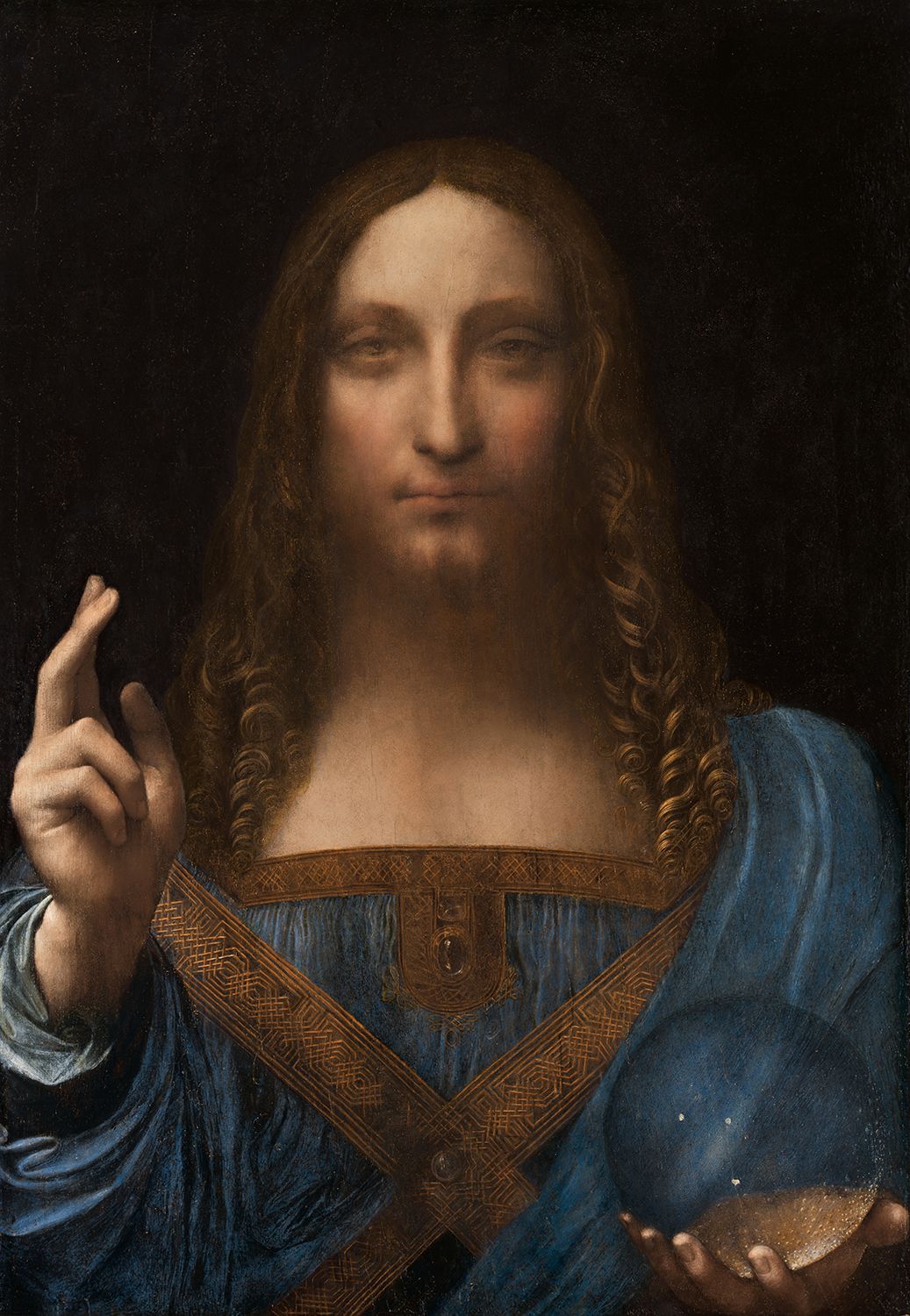
The artwork above is the Salvator Mundi painting by Leonardo da Vinci. Recently famous for breaking all auction records, selling for $450.3 million at Christie's, New York in November 2017. This artwork is available to license for your own reproduction.
Art is a vibrant expression of human creativity, but navigating the legal landscape surrounding its reproduction can be daunting. As an artist or an art reproduction business in the UK, understanding the possibilities of utilizing licenses is paramount to both protecting intellectual property rights and unlocking new avenues for creative expression. In this blog post, we'll explore how licenses can be a powerful tool for making artwork reproductions in the UK.
Understanding Artwork Licenses
At its core, an artwork license grants permission for the reproduction and distribution of a piece of art while outlining the terms and conditions under which it can be used. These licenses come in various forms, each tailored to meet the needs of both artists and those seeking to reproduce their work. In the UK, licenses are governed by copyright law, which grants creators exclusive rights to their work and enables them to control how it's used.
Types of Licenses
- Copyright Licenses: Artists can grant licenses that permit others to reproduce their artwork while retaining ownership of the copyright. These licenses can specify the scope of usage, such as the number of copies allowed, the duration of the license, and any geographic restrictions.
- Creative Commons Licenses: Creative Commons offers a range of licenses that enable artists to share their work with specific permissions for reproduction, distribution, and modification. These licenses provide a flexible framework for creators to define the terms under which their work can be used, fostering collaboration and innovation within the artistic community.
- Royalty-Free Licenses: Royalty-free licenses allow for the reproduction of artwork for a one-time fee, without the need for ongoing royalties. This option provides a cost-effective solution for businesses seeking to incorporate artwork into their products or marketing materials.
Benefits of Licensing for Artists
- Expanded Reach: By licensing their artwork for reproduction, artists can reach a wider audience and generate additional revenue streams through the sale of prints, merchandise, and digital downloads.
- Protecting Rights: Licensing enables artists to maintain control over how their work is used, ensuring that it's reproduced in a manner that aligns with their artistic vision and values.
- Collaboration Opportunities: Licensing offers opportunities for collaboration with businesses, galleries, and other artists, allowing for the creation of unique products and projects that showcase the diversity of artistic talent.
Benefits of Licensing for Businesses
- Legal Compliance: Obtaining the necessary licenses ensures that businesses are operating within the bounds of copyright law, reducing the risk of legal disputes and potential financial liabilities.
- Access to Quality Artwork: Licensing provides businesses with access to a diverse range of high-quality artwork for use in their products, marketing campaigns, and branding initiatives.
- Customisation Options: Licenses can be tailored to meet the specific needs of businesses, allowing for the customisation of artwork to fit branding guidelines, product specifications, and target audience preferences.
Conclusion
In the UK, harnessing the power of licenses opens up a world of possibilities for artists and businesses alike. Whether you're an artist looking to protect your rights and monetize your creations or a business seeking to enhance your offerings with compelling artwork, understanding and utilizing licenses is essential. By embracing licensing as a tool for collaboration and innovation, we can foster a thriving artistic ecosystem that celebrates creativity while respecting intellectual property rights.
If you're interested in exploring artwork licenses further or have any questions about reproducing artwork in the UK, don't hesitate to reach out to us. We're here to help you navigate the exciting world of art licensing and bring your creative vision to life.
Capturing the Essence: The Art of Museum Quality Artwork Reproductions