Fine Art Photography at its finest
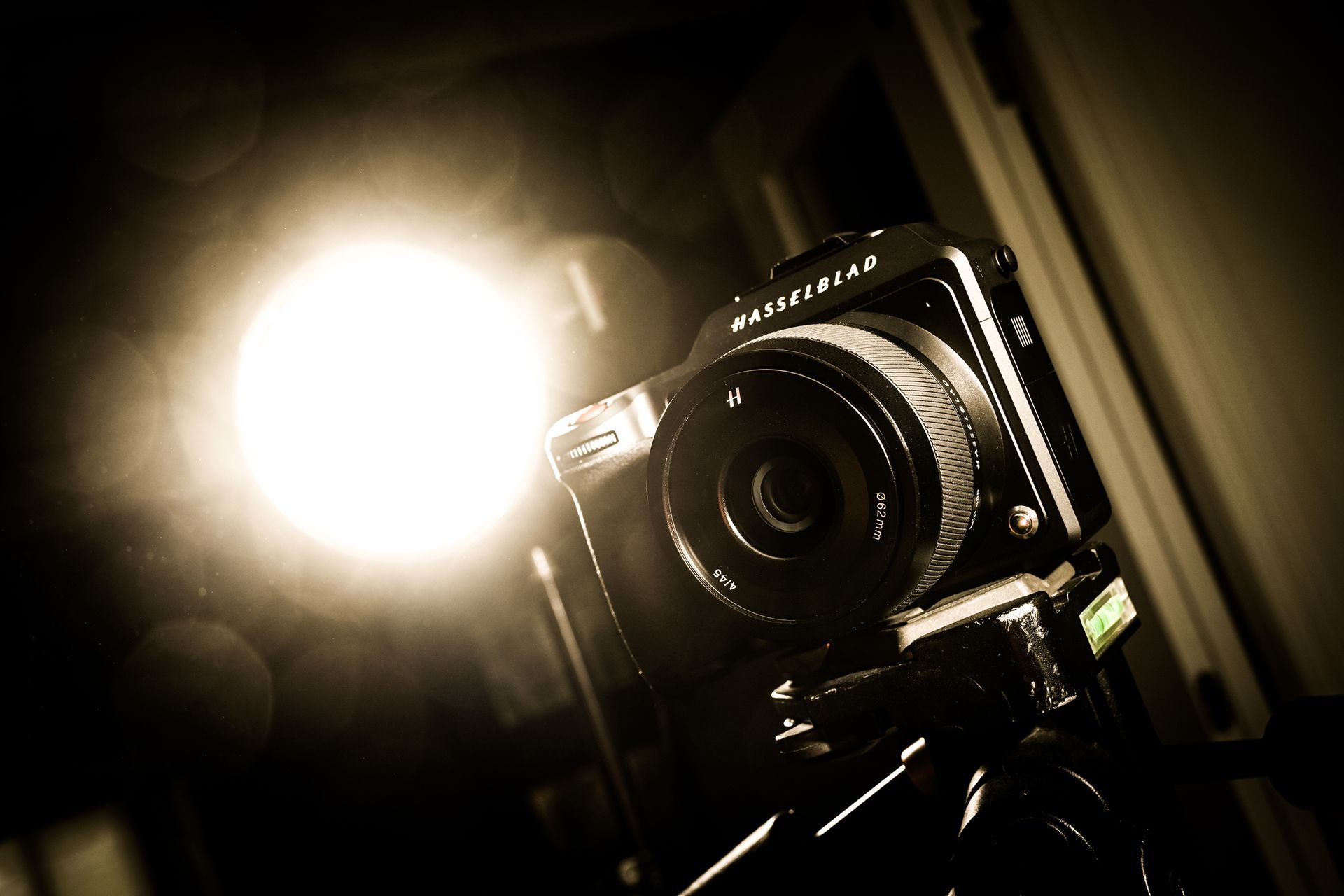
Behind every exquisite artwork reproduction lies the artistry and precision of a skilled fine art painting photographer. At Artwork Reproductions, we understand the immense importance of capturing the essence and intricate details of original paintings to create museum-quality reproductions. In this blog post, we delve into the specialist skills possessed by our fine art painting photographers, highlighting their expertise in lighting, composition, and capturing the soul of the artwork.
1. Mastering the Art of Lighting: Lighting is a crucial element when it comes to photographing fine art paintings. A skilled fine art painting photographer possesses an acute understanding of how light interacts with different mediums, textures, and colours. They have an innate ability to manipulate light, whether natural or artificial, to highlight the nuances of the artwork. By meticulously positioning light sources and using diffusers or reflectors, they can eliminate glare, reduce shadows, and bring out the true colours and depth of the painting. The mastery of lighting techniques allows them to accurately capture the subtle nuances and play of light and shadow, preserving the original intent of the artist.
2. Achieving Impeccable Composition: Composition plays a pivotal role in portraying the artwork in its most captivating form. A skilled fine art painting photographer possesses a keen eye for detail and a deep understanding of artistic principles. They carefully consider the placement of the artwork within the frame, ensuring that each element is balanced, harmonious, and visually appealing. Whether it involves capturing the entire painting or focusing on specific sections, the photographer's composition skills bring the artwork to life, allowing viewers to immerse themselves in its beauty.
3. Sensitivity to Colours and Textures: A fine art painting photographer has a profound appreciation for the nuances of colour and texture present in the original artwork. They understand the impact of accurate colour reproduction on the overall authenticity of the reproduction. By utilising colour management techniques and calibrating their equipment, they strive to achieve precise colour reproduction that reflects the artist's original vision. Moreover, they possess the ability to capture the intricate textures of the painting, whether it's the brushstrokes, impasto technique, or delicate layers of glazing. This attention to detail ensures that the reproduction captures not only the visual elements but also the tactile essence of the artwork.
The specialist skill of a fine art painting photographer is instrumental in creating museum-quality reproductions that do justice to the original artwork. Their mastery of lighting, composition, colour reproduction, and sensitivity to textures ensures that each reproduction encapsulates the soul and essence of the painting. At Artwork Reproduction, our dedicated team of fine art painting photographers possesses these specialist skills, enabling us to deliver exceptional reproductions that allow art enthusiasts to experience the beauty and magic of renowned artworks in their own spaces.
Our team of highly skilled Artwork Photographers are capable of Photographing artwork internationally. Our team can also proof on sight internationally to colour match against the original with the finest Giclée fine art printers.
Capturing the Essence: The Art of Museum Quality Artwork Reproductions