By Jason Smith
•
January 7, 2026
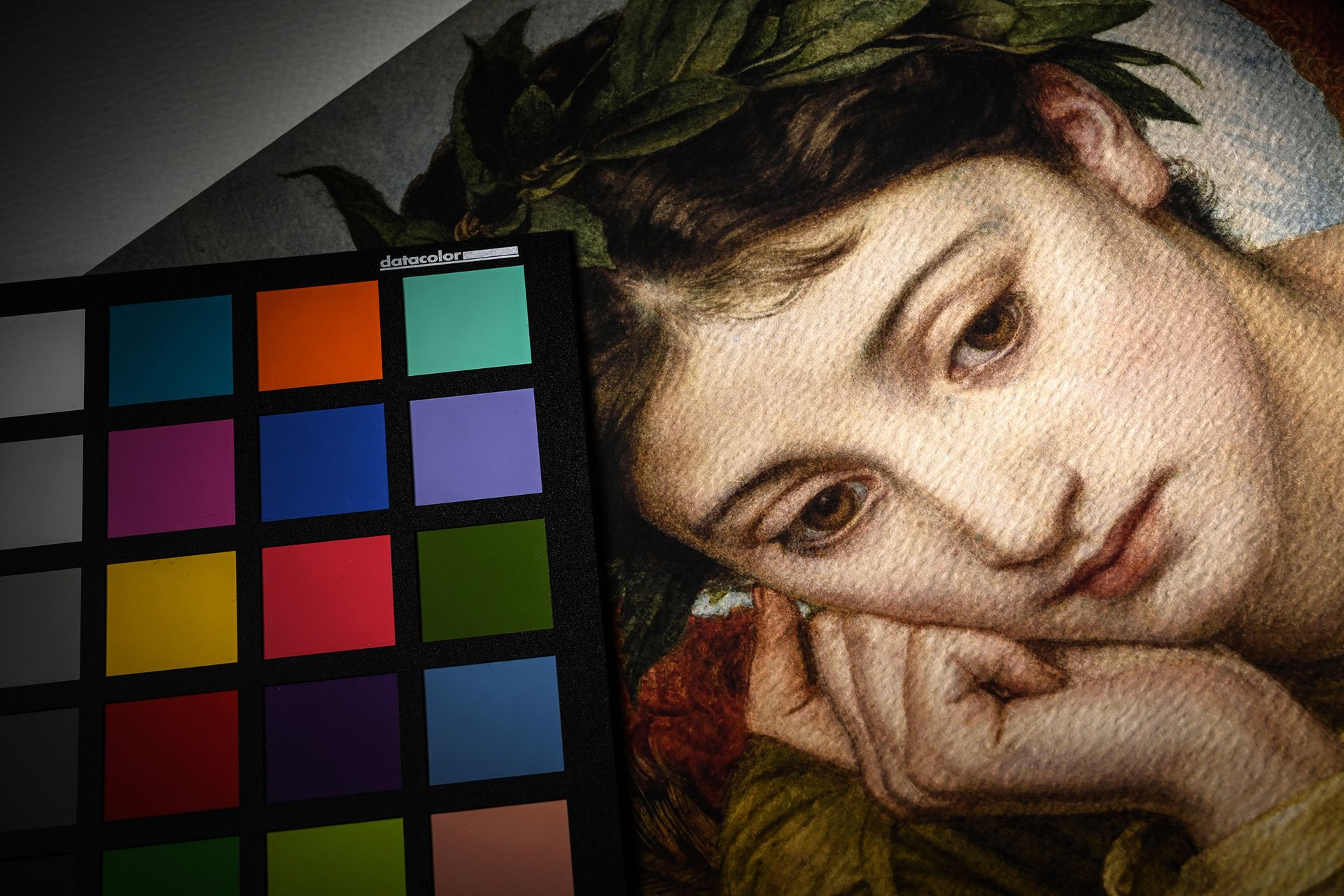
Why the World’s Most Discerning Collectors Choose Museum-Quality Art Reproductions For centuries, the most important works of art have been protected rather than constantly displayed. Paintings of significant cultural or financial value are often light-sensitive, fragile, or simply too important to be exposed to the risks of everyday handling. Yet collectors, institutions, and estates still want to live with these works, study them, and share them without compromise. This is where museum-quality artwork reproduction plays an essential role. At its highest level, fine art reproduction is not about imitation. It is about preservation, interpretation, and craft. A true museum-quality reproduction begins with an understanding of the original artwork itself — its materials, its surface, and the way it behaves under light. Unlike decorative prints or mass-produced giclées, professional reproductions are created to withstand close inspection and to sit comfortably within serious collections, institutions, and private interiors. A museum-quality reproduction is defined not by marketing language but by process. Ultra-high-resolution photographic capture is carried out using non-contact, conservation-safe lighting systems that eliminate glare and surface distortion. Colour-managed workflows ensure that every stage — from capture through to print — is calibrated against the original artwork. Archival substrates and inks are selected for longevity, and where required, reproductions are hand-finished to recreate surface texture, tonal depth, and subtle imperfections that give an artwork its presence. This level of fidelity is why such reproductions are trusted by private collectors, artists’ estates, and institutions alike. https://www.artworkreproductions.co.uk/artwork-reproductions Many people assume that art reproductions are commissioned only when originals are unavailable. In reality, a significant proportion of high-end reproduction work comes directly from owners of the originals themselves. Collectors frequently commission reproductions to reduce light exposure, to allow works to be displayed in multiple locations, or to avoid the risks associated with transportation. Institutions often rely on reproductions for touring exhibitions, education spaces, and interpretive displays, while artists’ estates use them for archival records, publications, and controlled public presentation. Major organisations such as the Tate, the British Museum, and the Metropolitan Museum of Art have long recognised the role of high-quality reproduction within responsible collection management. https://www.metmuseum.org